



For California coastal towns, the ocean is a major tourist attraction. People flock from all over the world to see the Mediterranean climate we call the Golden State. The municipal governments in Southern California monitor the waves during the tourist seasons of spring and summer. However, as the year progresses, lifeguard duties and other summer-time services are gradually phased out. When it comes to water safety, the Blue Water Task Force takes over for the winter.
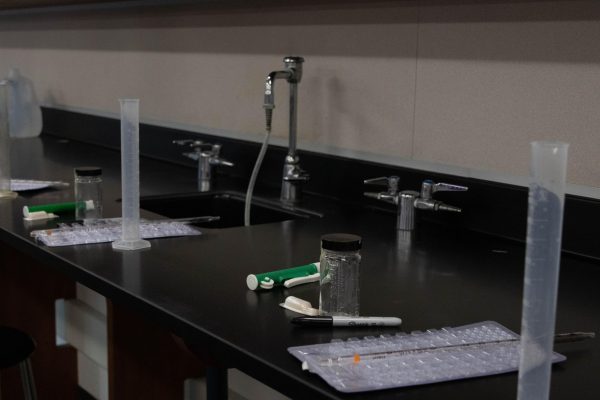
Every other week at Foothill Technology High School (Foothill Tech), Blue Water Task Force, the youth component of the Surfrider Foundation, gets together to complete their lab. On Thursday, the club tests ocean water samples for indicator bacteria known as enterococcus, then analyzes the data on Friday and decides whether or not the ocean is safe enough to swim in. These results are posted online, and if the UV light shines over the samples illuminates a level of bacteria unsafe by California standards, signage is put up at the local beaches.
“We test water quality at local beaches and drain sites for indicator bacteria to determine safety for local residents, and then we post it online to make it accessible for anyone in the state,” Hazel Van Orman ‘26 said, an experienced member of the Blue Water Task Force.
“If we have a certain level of bacteria in the ocean, it can cause everything from skin rashes to really bad flu-like symptoms,” Emily Hunt, the Foothill Tech teacher responsible for the club, said. “For people who have compromised immune systems, such as elderly people, it can be even deadly.”
After rainstorms, sewage spills or other hazardous events, the ocean water can be deceptively contaminated and to locals, as well as other visitors, it may be difficult to tell if it’s safe to swim. Having year-round analysis of the ocean water is vital for local health.
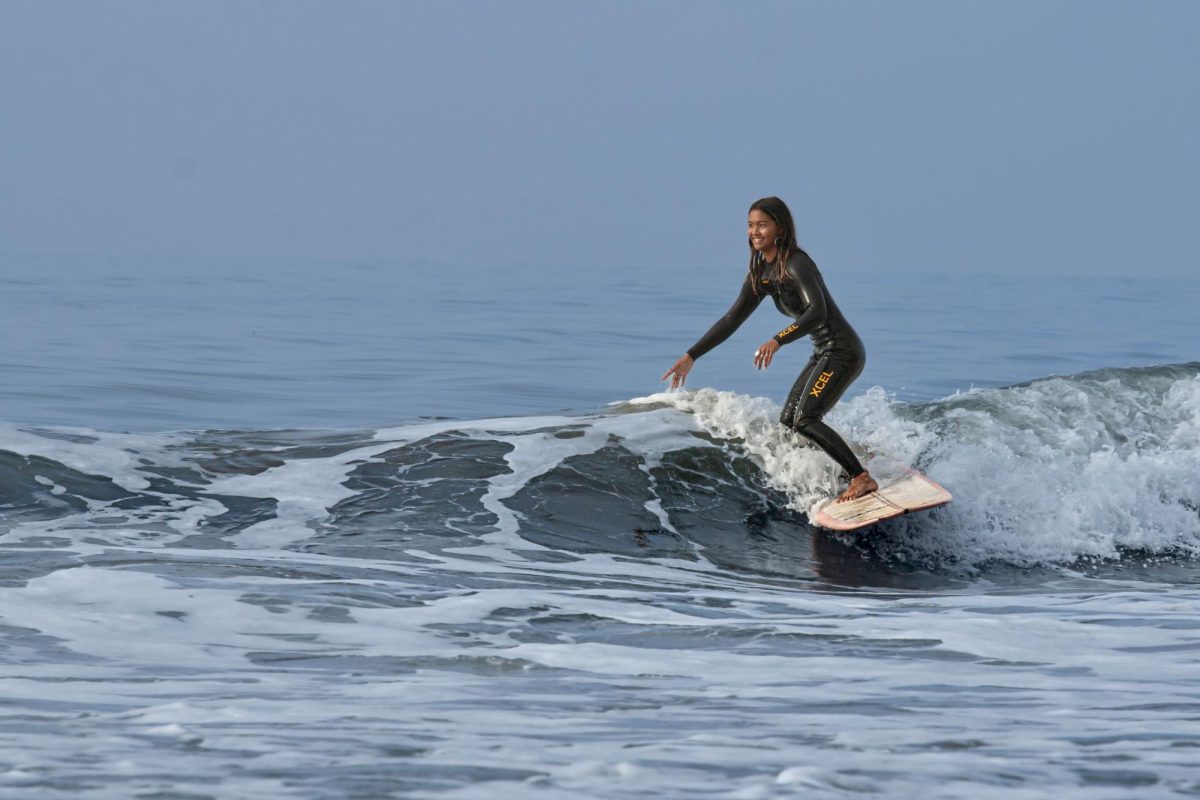
“Beaches are such an important part of [southern California], and to make sure the people know how safe the water is they’re swimming in … I think it’s really important,” said Van Orman.
“Climate change has impacted our ocean water temperatures … bacteria is very sensitive in its growth to warmer temperatures,” Joy Downey Riley, a representative of the Surfrider Foundation, said.
Riley explained that as ocean temperatures rise due to climate change, the bacteria and viruses tested by the Blue Water Task Force become more and more prominent in the increasingly fragile ecosystem. Algae blooms producing domoic acid – another harmful substance – have become common, and naturally occurring bacteria thrive on the warm water temperatures. Domoic acid can also impact the health of larger marine mammals such as seals or dolphins.
Other than algae blooms, the high quantities of agricultural runoff coming from Ventura’s healthy farming economy can cause an increase in bacteria in the local oceans. This makes a program such as the Blue Water Task Force especially important in a coastal farming community such as Ventura.
“The relationship between our agricultural community and the oceans is very intimate here. We have these big storm events where all the hillside runoff is bringing the fertilizers that we use in our yards and our farms to the oceans,” Riley said.
The Blue Water Task Force not only provides a service for the community, but also a hands-on lab experience for Foothill Tech students.
“The students do the same lab every other week for months. So they learn lab techniques such as pipetting, a septic technique, and they can help refine their techniques and communicate their results to the public,” says Hunt.
The club supports students aiming to go further in the scientific field, letting them interact with organizations such as the Surfrider Foundation and contribute to real-life scientific research that makes an impact.















liz • Feb 10, 2026 at 4:48 pm
yay oliver! nice article!!