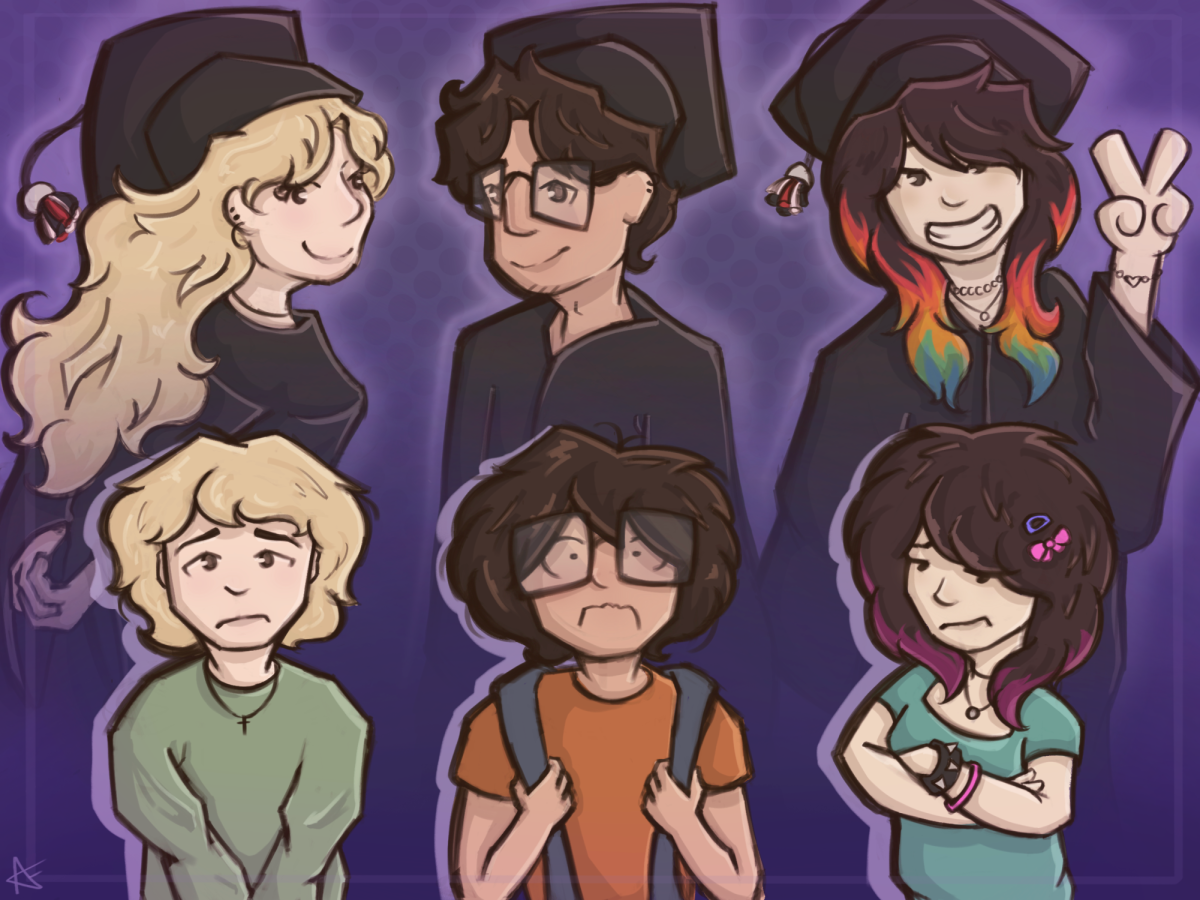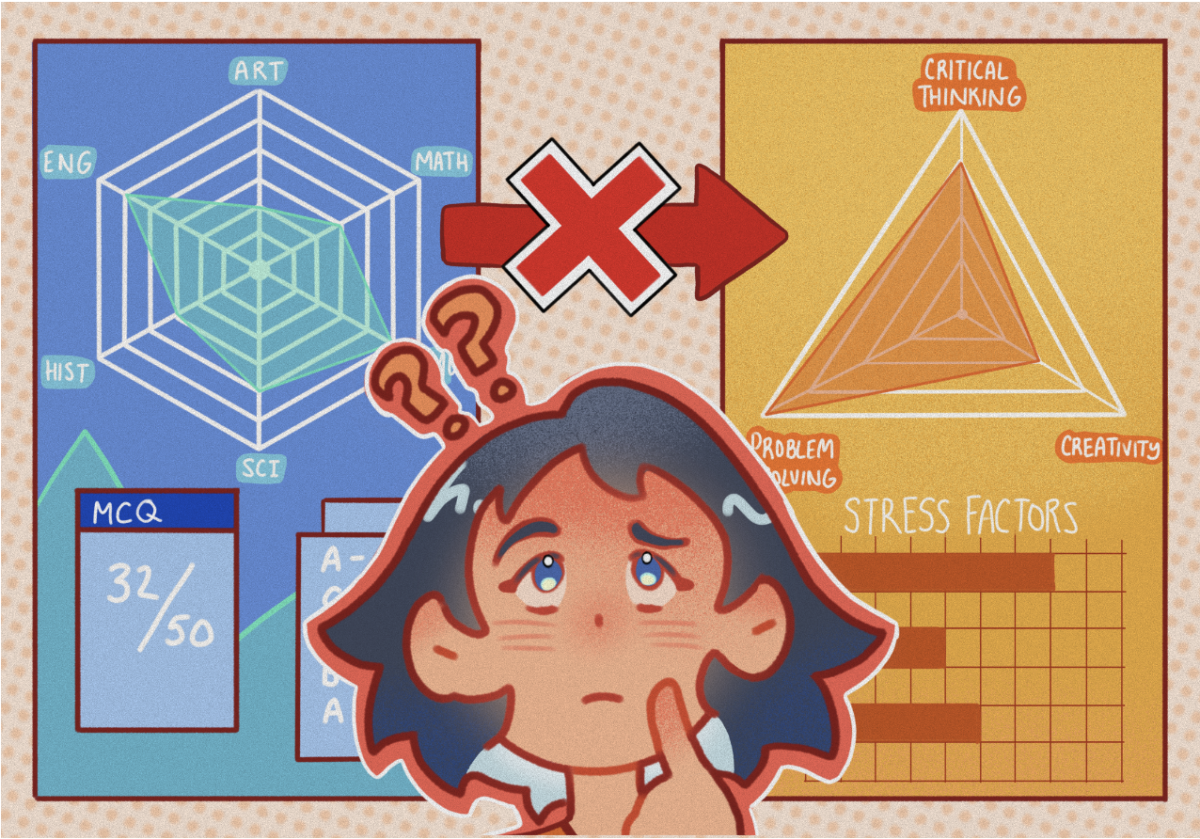
Reading, writing and arithmetic are essential skills necessary for everyday life and communication. To teach these skills, classes are integrated into the school curriculum to provide equal opportunities for students to succeed in college, the workforce and civic life. These “hard skills” are taught through four primary core subjects: math, English, science and social studies. Learning these essentials is the backbone of education from kindergarten through 12th grade.
Every student spends a significant portion of their time developing these skills in school, but some are not directly taught within the curriculum. Rather, they are taught through social experiences and intentional practice. These important abilities are called soft skills, or — as some refer to them — people skills. These skills can be valuable for securing a job or advancing in a career as formal education.
What are soft skills? Soft skills are qualities that are useful in any field or community. Traits like adaptability, organization, problem-solving, leadership and a strong work ethic fall under this category. These skills can grow from early experiences and the environment. The extent to which one’s environment emphasizes or uses these skills shapes their development.
Employers tend to seek candidates with well-developed soft skills and strong technical abilities. Understanding how to interact with others matters just as much as a perfect resume. As more communication happens behind the scenes, face-to-face interaction becomes more valuable.
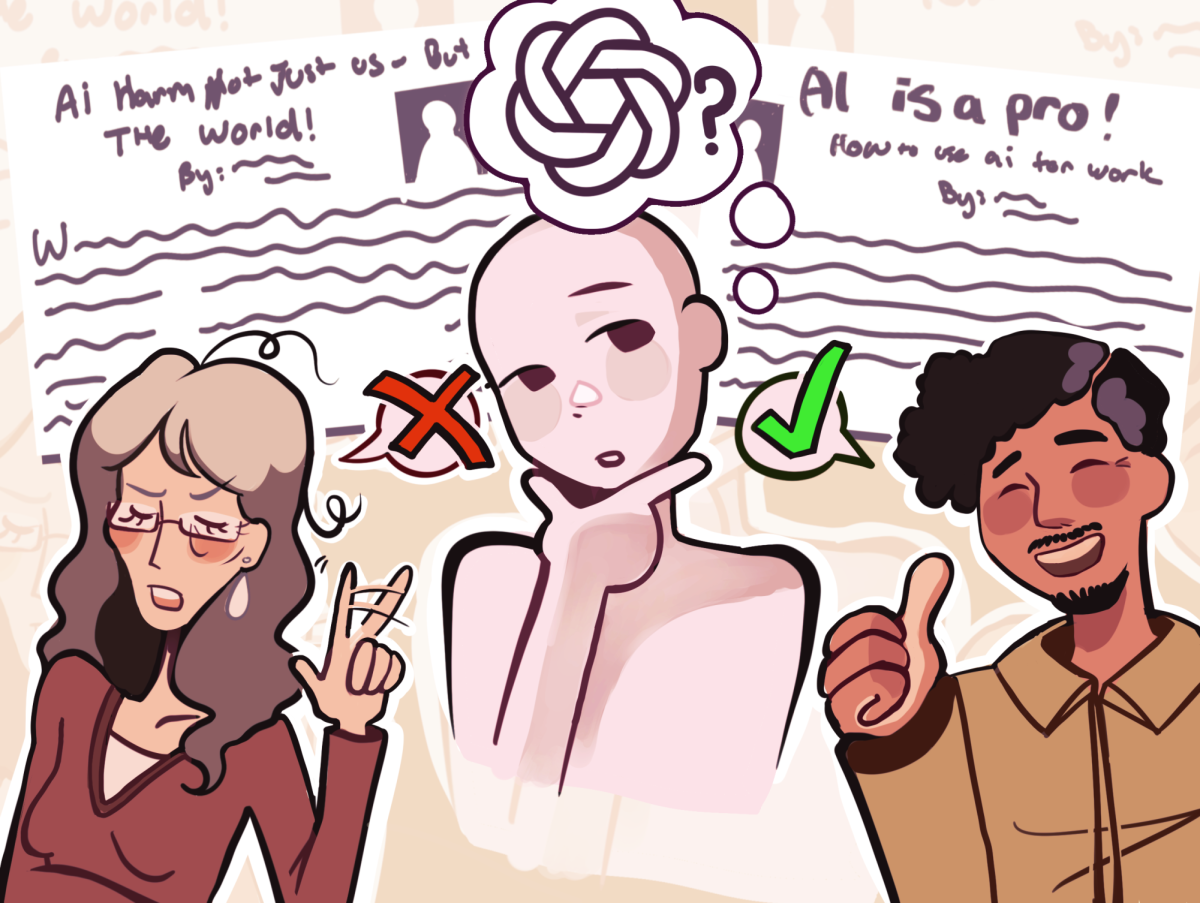
With various technological changes and increased integration of artificial intelligence within the employment world, the ability to balance both hard and soft skills is extremely important. This becomes essential when soft skills are in short supply compared to basic technical skills, or as previously mentioned, “hard skills.” Moreover, employers are looking for workers who can adapt under these evolving conditions in the workforce.
Soft skills help coworkers properly resolve issues that happen on the job by using peace and diplomacy without having to blow up in anger. These skills also assist leadership roles among peers and workmates. They assist in working within a team to efficiently collaborate and prevent belittling others when trying to accomplish a task. Even something as simple as managing time between school assignments, extracurricular activities and personal responsibilities requires organization and discipline. Soft skills are proven practical abilities that shape our professional lives.
However, for clarity, soft skills are not only useful within the job market. They affect a person in their social life as it does in their work life. When facing conflict at home or while working with other classmates for a school project, soft skills come in handy. These methods are extremely important and impactful to our daily lives, yet they are not as focused on hard skills, such as mathematics, science or writing.
“The presence and development of foundational skills didn’t just make workers more competitive for entry-level jobs—they determined how far they could climb the career ladder,” Moh Hosseinioun, a writer for the Harvard Business Review, said.
With the rise of digital platforms such as Zoom, new communication methods have been integrated into work. Video Conferencing and online messaging provide accessibility to interact with others outside of face-to-face communication. Additionally, with the use of artificial intelligence, filling out applications is a breeze. Though the use of technology offers many advantages, it reduces opportunities for soft-skill applicability.
Online messaging removes things like body language, which serve in developing strong interpersonal communication skills. This can make it harder for people to practice reading emotions or responding thoughtfully in conversation. Other instances, such as remote work and online schooling, also have the same downsides, as seen with the 2019 COVID-19 pandemic. The National Library of Medicine notes that increased technology use indirectly affects the development of children’s communication skills.
“Children with two or more hours of screen time a day were more likely to have behavioral problems… and lower vocabulary knowledge compared to children with lower amounts of daily screen time,” according to The National Library of Medicine.
Hard skills and technical knowledge will always remain essential for academic and professional success. However, the ability to communicate effectively and connect with others in a world that is becoming more digitally intertwined may be one of the most important skills a person can develop.