Did you know that robots have stepped in as baggage handlers in Japanese airports? According to the Guardian, due to a labor shortage, these humanoid robots will serve for the next two years as a test run for future plans to permanently add robots to the workforce. A decade prior, very few individuals would have seen themselves working side by side with robots.
This story serves as another reminder that every passing year, automation and AI are becoming increasingly common in the workforce. And besides AI, other things are also making it difficult to find a job — for instance, growing inflation within the economy is creating a hyper-competitive job market. College tuition looks to grow more and more unaffordable for the average family, yet it also seems to be a must-have when finding any job. It looks like among younger generations, the need for a sustainable job has increased in value. Although in today’s world, a stable job is no longer identified by a long-lasting career, but by one that has consistent demand and is resistant to automation. And due to these new requirements for a stable job, it seems like getting into the trades looks like one of the most increasingly favorable options in the new job market.
According to a report by investment bank Goldman Sachs, roughly two-thirds of U.S. occupations are exposed to some degree of automation by AI. Furthermore, nearly a quarter of those jobs can be replaced. The likelihood that a person is able to find a job that truly escapes the effects of automation is decreasing. Instead of trying to find jobs that are void of automation, a more reasonable approach would be to find a job that has the capacity to grow along with a changing working environment.
But what are some jobs that are able to adapt to this change? Jobs such as lawyers, judges and managers are necessary to the functioning of the court system and can only be completed correctly through the human capacity to reason using both empathy and social skills. Other jobs, like therapists, psychologists, teachers and social workers, are based on a trust that robots or AI struggle to achieve.
Although the argument still stands, can people really afford such jobs anymore? Careers like doctors and lawyers, though immune to the effects of automation, take large amounts of money and time to obtain. On top of a four-year degree, law school takes around three years to complete, with tuition costs estimated by Elfi at anywhere from 96,000 to 180,000 dollars. In all practicality, the average salary of a middle-class family is not enough to afford such an education.
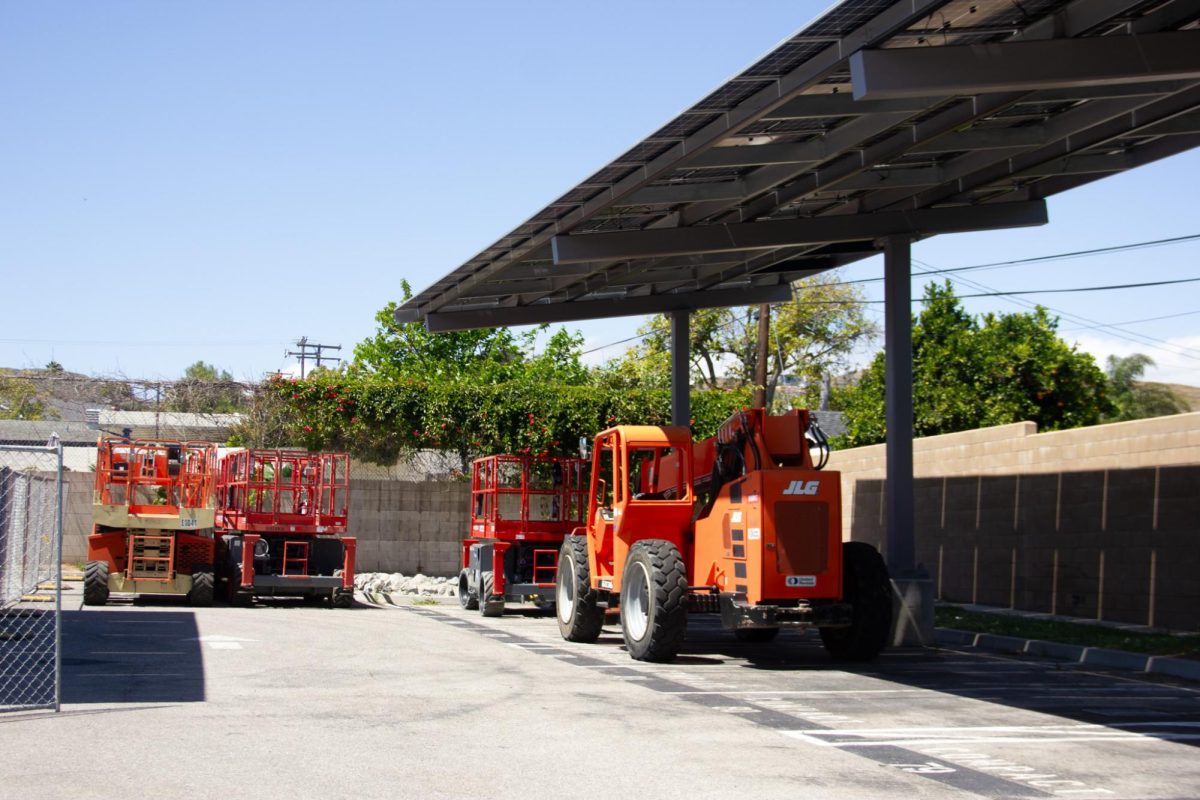
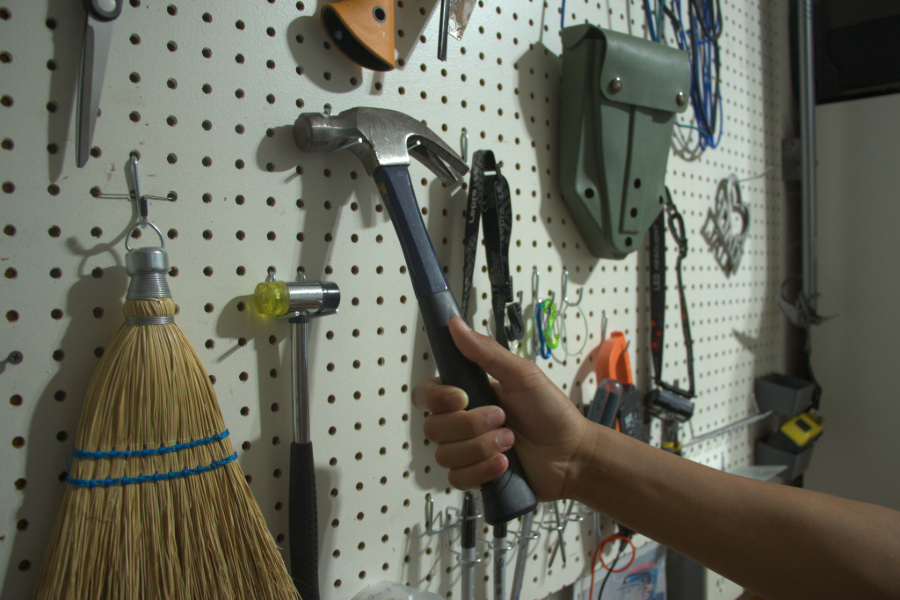
Other options include careers in the skilled trades. These jobs are a hallmark for their reliability and safety from AI threats, as, based on a study by the Brookings Institution, blue-collar skilled trades are among the least exposed to automation, especially when compared to white-collar jobs. The trades specialize in non-repetitive physical labor in order to get the job done, which AI and automation usually have trouble completing.
Stable jobs also call for consistent work coming into the business in order to sustain itself. Jobs that offer high risk and high reward tend to yield large profits by relying on providing luxury goods and/or services, but easily become unstable when economic issues cause consumers to cut back on spending. For instance, jewelers are capable of making good money and do not require a college degree, but when inflation hits consumers, many fewer customers will come in to buy goods. Trades, on the other hand, are based on fixing and maintaining the necessities, such as jobs in electrical, plumbing and construction. The workflow of these blue-collar jobs is usually consistent year-round, as the need for them is always present.
The trades are some of the most reliable and consistently demanded careers in the job market. That being said, being healthy enough to perform such tasks is vital to a person interested in the trades. While many opportunities are open, it is not without sacrifice; the jobs are highly physically demanding. Long-term strain can be put on the body through the many years of long, strenuous manual labor.
In the end, a job’s stability cannot only be measured by the length of time one is in a company. In the modern world, a job’s stability is reliant on its capacity to change alongside technological implementation and its ability to draw revenue at a consistent rate. In addition to avoiding high college tuition costs, jobs that revolve around getting into skilled trades seem ideal based on their likely stability in the future.