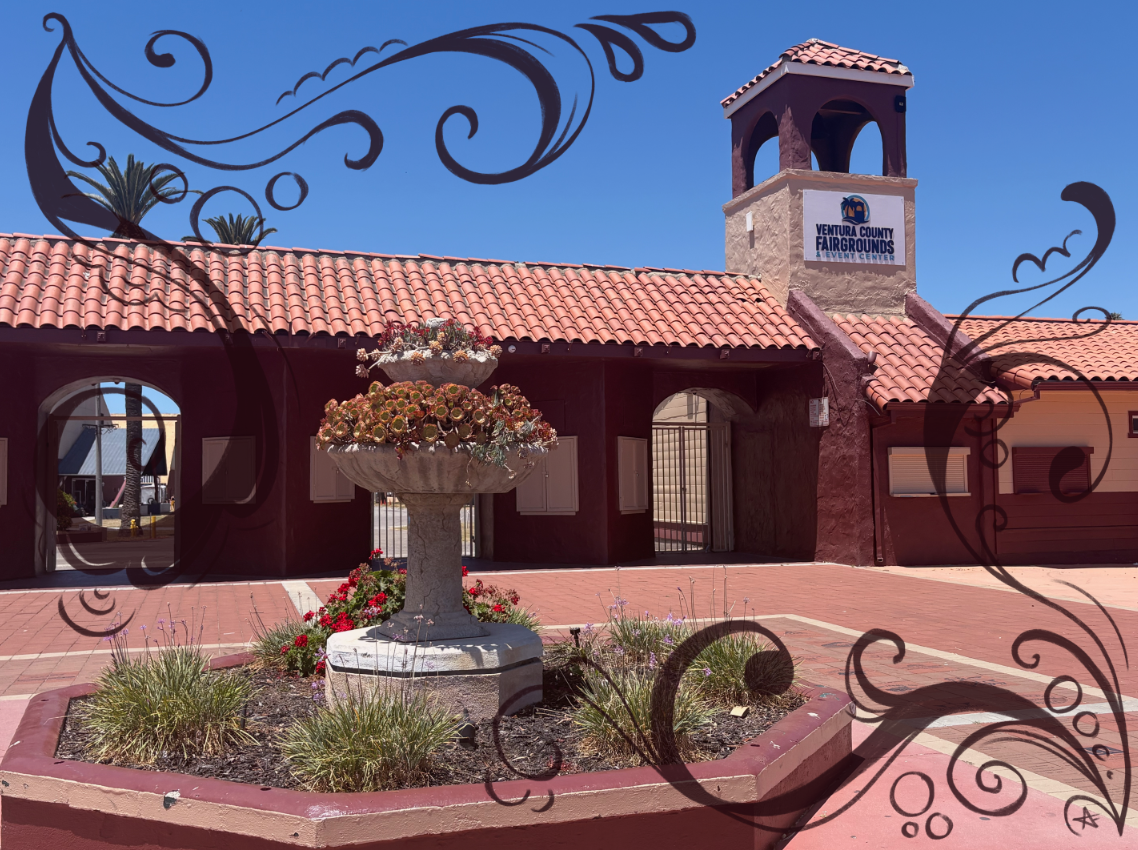

Less than a mile from Ventura High School (VHS) is a property formerly known as Mariano Rancho, and recently opened to the public as the Ventura Hills Nature Preserve. Ventura Land Trust (VLT), a non-profit organization, bought the property in 2020 and has been establishing new trails and preparing the property for hikers and bikers ever since. However, concerns have been raised by the neighboring residents regarding the new influx of traffic in their backyard and the modifications being made by VLT on the property.
The property has been visited by locals for decades – many have traveled along old cattle trails to visit the hilltops of the land that offer stunning views of the ocean, as well as the native plants and wildlife. This activity was legally labeled as trespassing on private land until now, as VLT offers a legal and proclaimed more sustainable way of traversing the hillsides.
“In some ways, I commend what people were doing in terms of coming out here and building their own trail, and building a resource that wasn’t there. But now that we own it, we’ve got the opportunity to really fine-tune trails; make them sustainable and make them safe,” Quill Yates, a VLT field manager who engages with the preserve regularly, said.
However, the sustainability of the hillside is not the only thing that is on the minds of VLT’s neighbors. Several concerns have been voiced, including the safety and privacy of residents, as well as the increased risk of wildfire as the number of visitors on the property increases. Residents have also found an issue with the abolishment of the old cattle trails and other publicly built features, such as bike jumps.
Melissa Baffa, the Executive Director of VLT, said that VLT has had eight community meetings with local residents and is willing to talk about and listen to any concerns anyone may have. However, the success of a concern swaying the course of VLT’s actions is dependent on the situation.
“I understand the gripes”, Yates said. “It’s hard when someone has something and that gets changed or taken away, but we are a conservation organization … and part of that is confining the trail network to be sustainable.”
More planning goes into the building of trails than one might think. If routed incorrectly, a trail can split habitat, cause serious erosion and generally reduce the health of the area it is built on, and the trail itself. VLT argues that having a professional organization such as themselves take care of the property is best for everyone.
One of the most impactful aspects of the preserve is its location. Ventura Hills is a five-minute drive from downtown Ventura, making it easily accessible to anyone living in midtown.
“A lot of people can access the preserve from their neighborhoods without using a car,” Baffa said.

This improved access increases the number in the preserve. This is pivotal to VLT’s mission of trying to spread knowledge and awareness about local habitats to residents nearby.
“We can take people across this incredibly diverse ecological property … and slowly show people what is so amazing about coastal sage scrub, this habitat that’s so imperiled,” Yates said.
However, increased traffic without regulation can do the opposite of educating the public. And while this regulation can be important, it has caused more conflict with the neighbors in some situations.
To enforce rules that they have put into place, VLT has created a docent program. Docents are volunteers trained in VLT’s rulebook and basic knowledge of the plants and wildlife that live on the preserve.
“What I love seeing is the variety of people that come and use the preserve,” Larry Ellis, a VLT docent, said. Ellis explained that the main part of his job is striking up conversations and creating an atmosphere at the preserve that promotes sustainability.
“Having a docent core that’s really educated … helps us to get the message out, because we have a pretty small staff for the number of acres we steward,” Baffa said.
Volunteering is critical in other aspects of the preserve as well. To build the trails that are in place now, VLT drew on the community for a labor source. One example of a group of volunteers is students. Organizations and clubs such as the Cougar Trail Crew at VHS and Troop 111, a local scout troop, helped the preserve’s infrastructure become a reality.
Troop 111 – who is chartered by VLT – and the Cougar Trail Crew meet at least once a month to work in Hall Canyon, the main canyon of Ventura Hills. Middle and high school students from across Ventura City gather and provide a service that is necessary for an organization like VLT to thrive.
Craig Carey, a scout leader and VHS teacher who organizes the Cougar Trail Crew, said that “public lands rely on volunteers to not only maintain them, but to set an example for how all public lands should be treated.”
Whether or not VLT is your preferred manager of the Ventura Hills Nature Preserve property, it is undeniable that protected spaces like these hills are important for a community. Healthy for an area’s climate and ecology as well as effective for breaking up heat pockets and even raising property values.
Baffa says that “having open space is really important for the ecological health of your community, even if you hate nature … you still have benefits.”
Easy public access to undeveloped spaces is something that Ventura is privileged to have. It provides an area for recreation and conservation as well as stunning views and a collective appreciation for nature.
“[The hills are] a great background for the city of Ventura, it’s like a stage set,” one Ventura resident said.