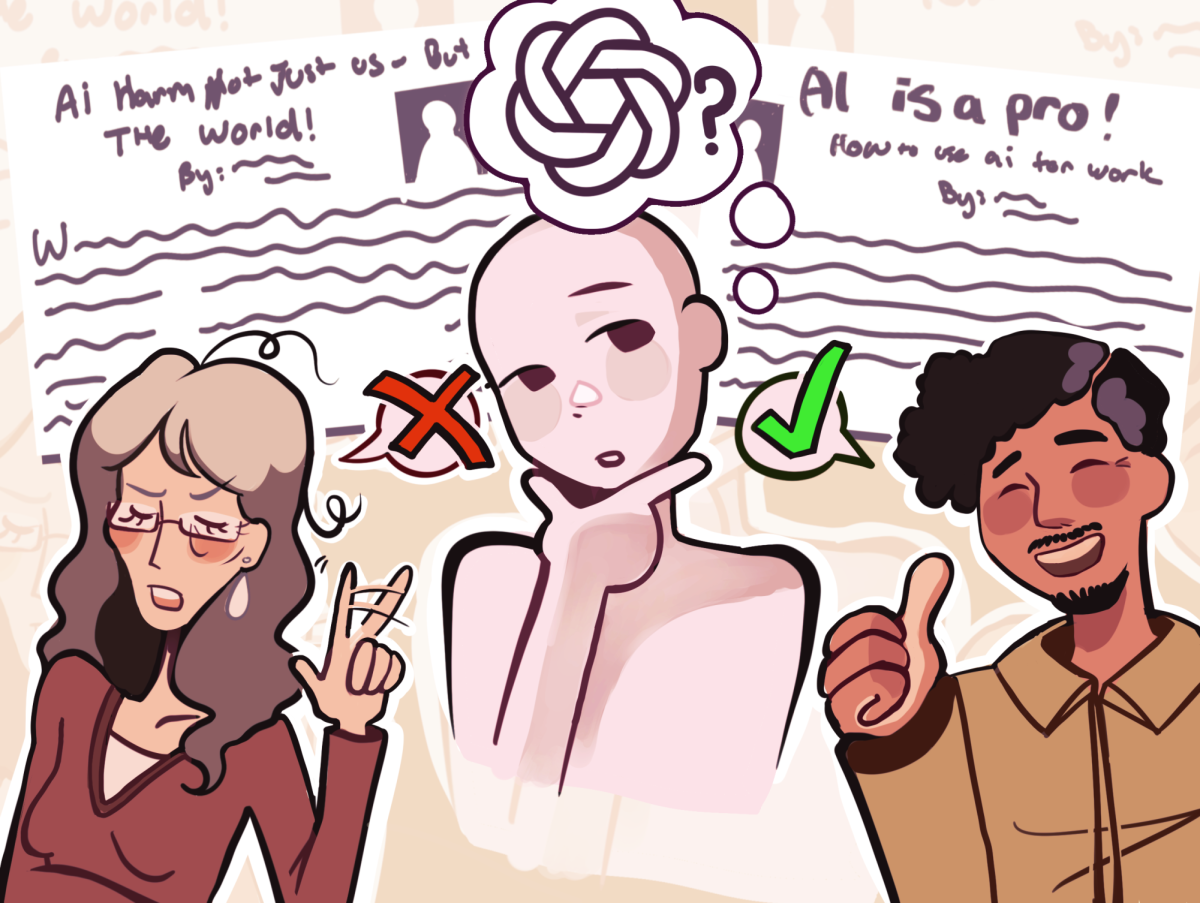
Artificial Intelligence (AI), more specifically Generative Artificial Intelligence (GenAI), has gained popularity in the past few years, with a wide range of people using it. It started as a convenient tool, something to complete those simple, pesky tasks or a way to help you study. However, it’s beginning to take a turn for the worse as people rely on AI for things they shouldn’t.
Humans are highly intelligent creatures. We often don’t give ourselves enough credit, especially when we use AI to replace our own critical thinking and decision-making. Reducing ourselves to being less intelligent than a chatbot is dangerous.
A draft from Massachusetts Institute of Technology (MIT) has shown that AI does have a negative effect on the brain. The study involved 54 adults measuring the connectivity in their brains when completing a writing assignment. Their task was to write four essays, one group using ChatGPT, another using search engines and the last group only using their brains. For the first three essays, the ChatGPT users had the lowest amount of connectivity in their brains, while the brain-only group had the highest. For the fourth essay, they switched groups; the users who had previously used ChatGPT had trouble writing the essay and showed less connectivity.
In simpler terms, our brain is like a muscle — the less we exercise it, the weaker it gets. It’s extremely important that our cognitive ability doesn’t decrease because that’s how humans stay independent from AI.
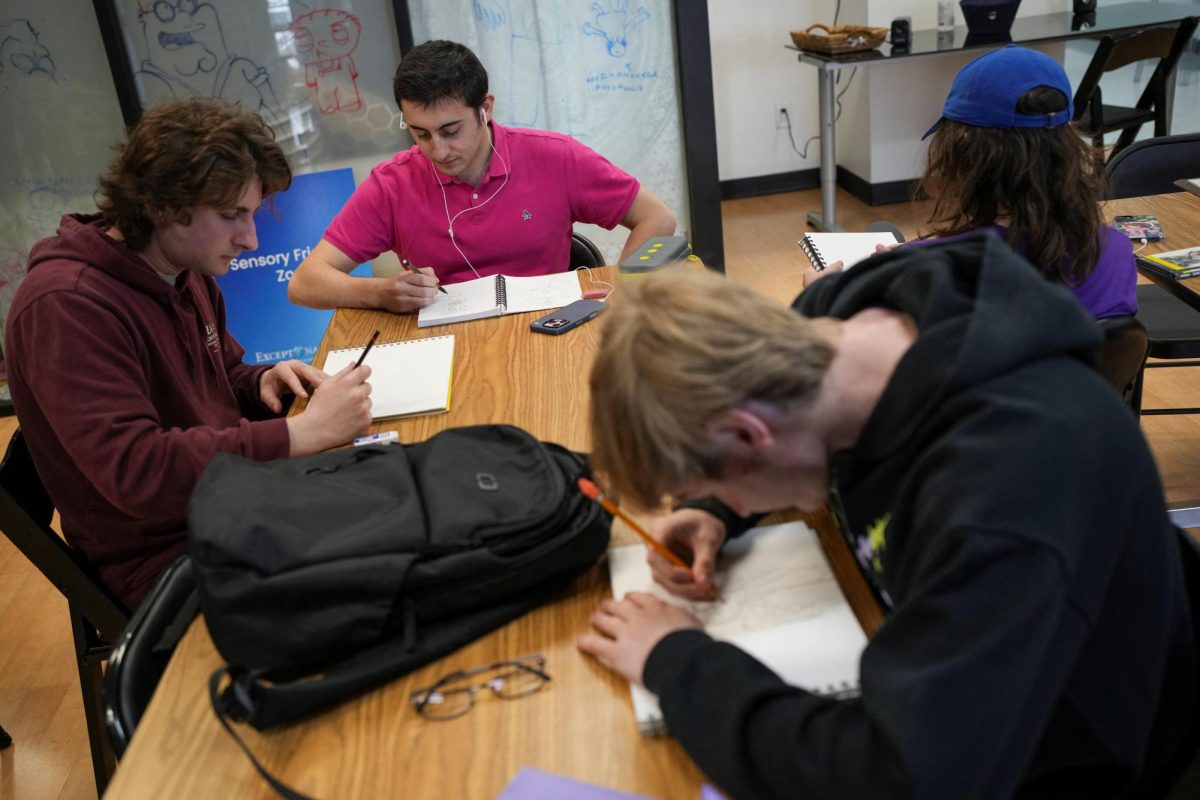
A survey done by the College Board shows that the percentage of high schoolers who use GenAI for schoolwork has increased from 79 percent to 84 percent between Jan. and May 2025. This statistic is particularly alarming, considering how the part of our brain that the usage of AI affects is our pre-frontal cortex, which is responsible for cognitive ability and decision-making. This area of the brain is also known as the frontal lobe and finishes developing around the age of 25. Due to academic stress, increased workload or just laziness, common users of ChatGPT are high school and college students. This means that, as our frontal lobe is developing, teens and young adults are actively dulling that part of their brains even before they are fully developed.
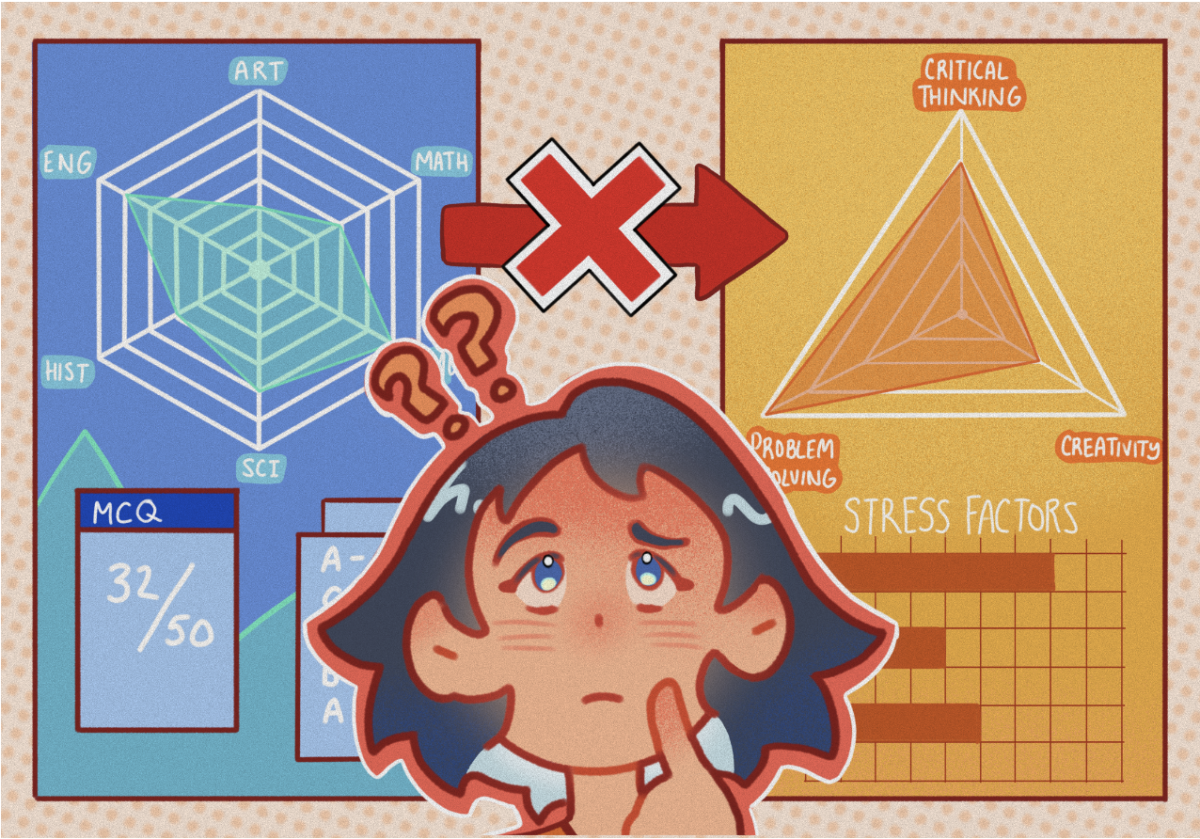
Not only is it unhealthy for our brains to have this amount of cognitive offload, but it also robs the younger generation of our education. With no one but ourselves to blame for using GenAI as a replacement for genuine learning, we often become preoccupied with being perfect students rather than genuine students and find it comforting knowing that AI produces “perfect writing.” After all, how can anyone compete with perfect grammar and spelling?
GenAI is far from perfect. Artificial Intelligence is incapable of understanding emotion, common sense, creativity, moral judgment and abstract thought. It’s also not as reliable as we think. Data is often misinterpreted because of its inability to think critically. Using AI for schoolwork is doing more harm than good, and it is both insulting and destructive to our intelligence.
Aside from the cognitive problem revolving around the usage of GenAI, our Earth is also in danger. Due to the mass carbon emissions produced from large amounts of electricity being used, GenAI is a new cause of climate change. Fresh water is also wasted on cooling down the data centers used for AI.
According to Climate Impact Partners, researchers estimated that training GPT-3 produced 500 metric tons of carbon dioxide, which is the equivalent of driving a car from San Francisco to New York 438 times. If that is only a result of training it, imagine the emissions that would be the result of daily users of ChatGPT. Training a model like GPT-3 is capable of using over 1,200 MWh, which is enough electricity for 120 U.S. homes a year, and energy is used for every query.
Our reliance on GenAI is potentially catastrophic to the environment and the integrity of our intelligence and education. Our ability to have creative thought, complex emotions, judgment and critical thinking is what makes us unique and intelligent beings. We should not underestimate ourselves or abandon our pursuit of learning. It’s time to stop using AI unnecessarily.