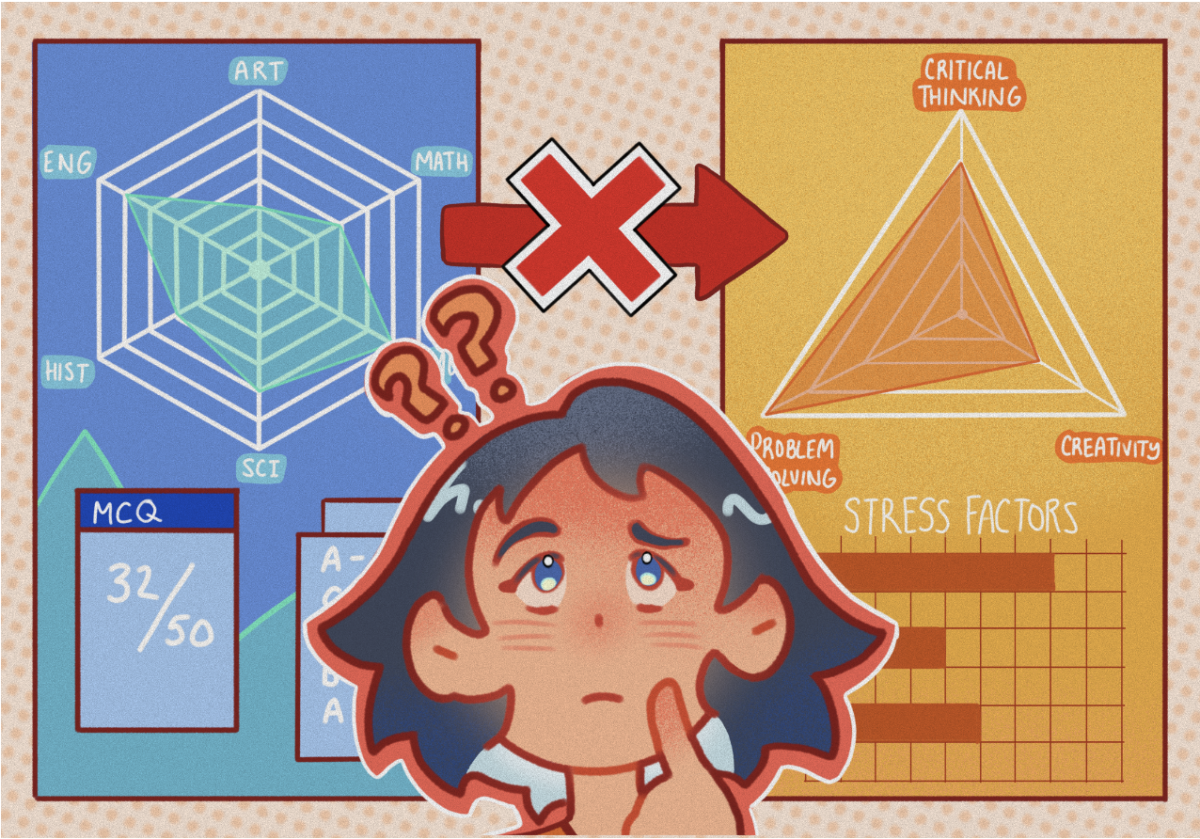
Career options and the desired skill set seem to be ever-expanding as of 2026. The question is whether people can achieve their goals when relying on talent alone, or if hard work is what drives them to where they desire to be.
Natural talent is when someone has an inherent ability, even if they do not spend time working towards the level they are at. While having innate skills can be a great head start in life, only through hard work is there a chance to reach for higher goals. Although a person may be adept, that does not mean that they are passionate about their talent; on the other hand, those born without natural talent may choose to take the hard route and build towards their objective from the ground up, rather than improving upon a gift they have no enthusiasm for.
“The Tortoise and the Hare” is a well-known fable attributed to Aesop, an ancient Greek storyteller, with countless versions of the tale existing worldwide with the same message.
In the narration, a hare, who is swift by nature, races a slow-but-steady tortoise. The hare falls asleep during the competition while the tortoise continues to endure the distance at a consistent pace. Once the hare awakens, it is unsuccessful in overtaking the tortoise, who persists through to the finish.
This story compares those who depend on their natural talents, like the fast-running hare, to those who, like the tortoise, recognize the importance of working hard at a goal using a realistic pace and perseverance. Even when one is not naturally skilled, they will be able to find a way to reach their highest goals if they truly commit.
The Pennsylvania State University provides research that indicates that individuals are more encouraged to achieve their goals when they are inspired by someone commonly known for their hard work rather than their innate talents.
Throughout a set of three studies, researchers at Penn State discovered that young scientists were more determined to succeed when they observed the struggles of a scientist who was known for their success after repeated failures; they were less motivated if they studied the struggles of a scientist whose success was connected to talent.
It appears that people are more driven towards achievement when they are motivated by others whose success came through effort and persistence, because they recognize that they do not need to have extraordinary abilities to begin with. This can lead a person to follow their passion rather than stick with a skill they are gifted with, but have no interest in.
Michael Jordan, a former professional basketball player, is renowned for his athletic accomplishments and success. He is six feet six inches tall, has a wingspan of six feet eleven inches and has a 48-inch vertical leap. His physical gifts must be why he entered the National Basketball Association (NBA) at age 21, won six championship titles and holds the highest career regular-season scoring average in NBA history at 30.12 points per game.
That would be mistaken. As a sophomore, Jordan was denied a spot on his high school varsity basketball team and was instead placed on junior varsity because he was not considered tall enough, nor had he developed skills. He took this rejection and turned it into fuel that made him work harder to improve his weaknesses. Jordan’s ability to embrace his failures as opportunities to succeed in learning from them is what drove him to become a better basketball player and become an inspiration to many.
Even though people might argue that Jordan had natural talent to begin with, his skills were not able to stand alone and persistence was required in order for him to reach larger objectives. Though his innate abilities gave him a head start, he had to refine his talents by practicing relentlessly so he would be able to aim for higher levels.
While talent can be beneficial as the origin of a skill, hard work is essentially what determines an individual’s success. A person’s innate abilities are not always the root of their passion, so they may refuse the head start they are provided with and build a consistent work ethic to grow immensely in a skill they are enthusiastic about. Jordan chose to stay steadfast to basketball, but even if he worked hard at different skills, he most likely would have succeeded because of how he chose to view his mistakes. Diligence is the deciding factor and is more beneficial than talent, as it has the ability to stand with or without natural gifts, while inherent skills are not refined upon when standing alone.