

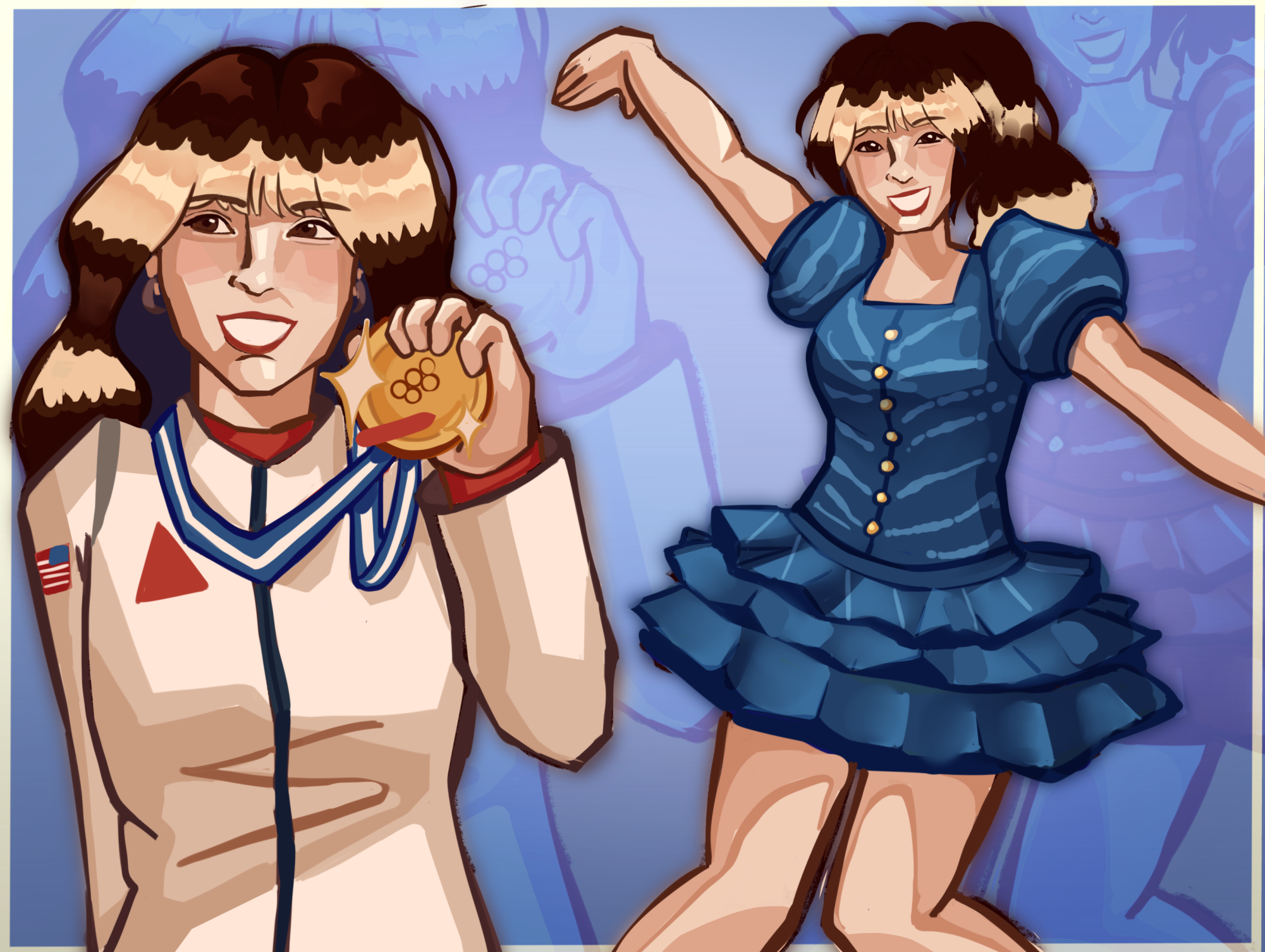
At 13-years-old, Alysa Liu became the youngest U.S. women’s national champion in more than two decades. Three years later, she competed at the 2022 Winter Olympics in Beijing.
Since she was five years old, Liu had trained as an elite ice skater, but shortly after the Games, she announced that she was retiring at just 16-years-old.
“I’m done,” Liu, in an Instagram post in April 2022, wrote. “I’m going to be 17 in like a month, and skating has been my whole life. I’m ready to move on with my life.”
Unlike many athletes who quietly fade from competition, Liu left at the height of her career. She had won two U.S. national titles, competed internationally and was widely considered one of the future faces of American figure skating.
“I kinda just fell out of love with it … after the Olympics, I really wanted to quit — and that’s exactly what I did,” Liu recounted in a 2026 interview.
By the time she reached the 2022 Olympics, her name was carrying expectations far beyond her age. After retiring, Liu prioritized discovering who she is outside of the sport and having a “normal” teenage experience.
“I was going to concerts, which I never could have done before, doing all the things a teenager usually does,” Liu said.
Then, on a ski trip she took with her friends, Liu realized how much she loved the cold and the athleticism of skiing, and was reminded of what it had felt like to skate.
“If I enjoy skiing so much, there’s no way I don’t enjoy skating,” she said.
This season, Liu returned to competition. But she made one thing very clear: this time, it would be on her terms. She would choose the music she skated to, the costumes she wore, how much she would train and most importantly, she was not going to let skating take charge of her life.
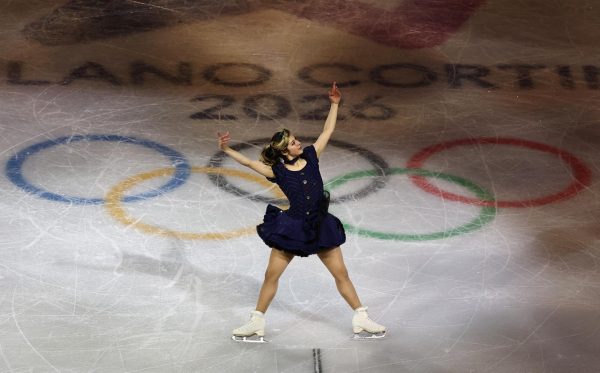
“I love the arts. I love dancing and music, and I love sports. And that’s what figure skating is,” she said. Liu entered this season with an entirely new perspective. At the 2026 Winter Olympics, she described approaching her routines with a focus on presence over outcome, explaining that each moment on the ice felt like gaining something rather than risking.
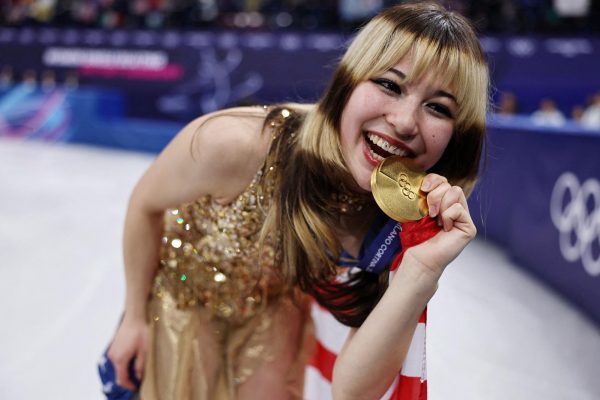
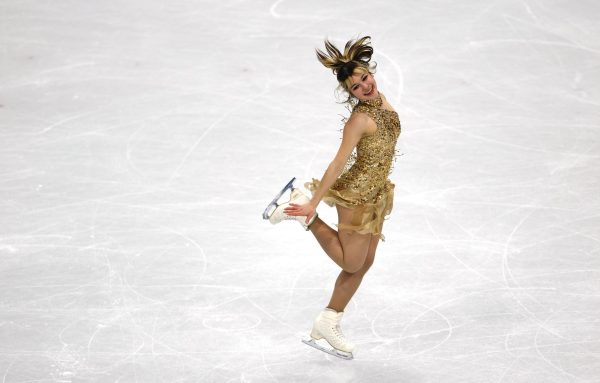
Her unburdened mentality exuded throughout her performances, with commentators describing how she seemed able to shed the weight of Olympic pressure in a way that many athletes struggle to achieve, and throughout it all, she wore a genuine, joyful expression that reflected her shift in perspective.
Liu’s decision did more than just surprise those who follow figure skating — it challenged the idea that strength in women’s sports means pushing through at all costs.
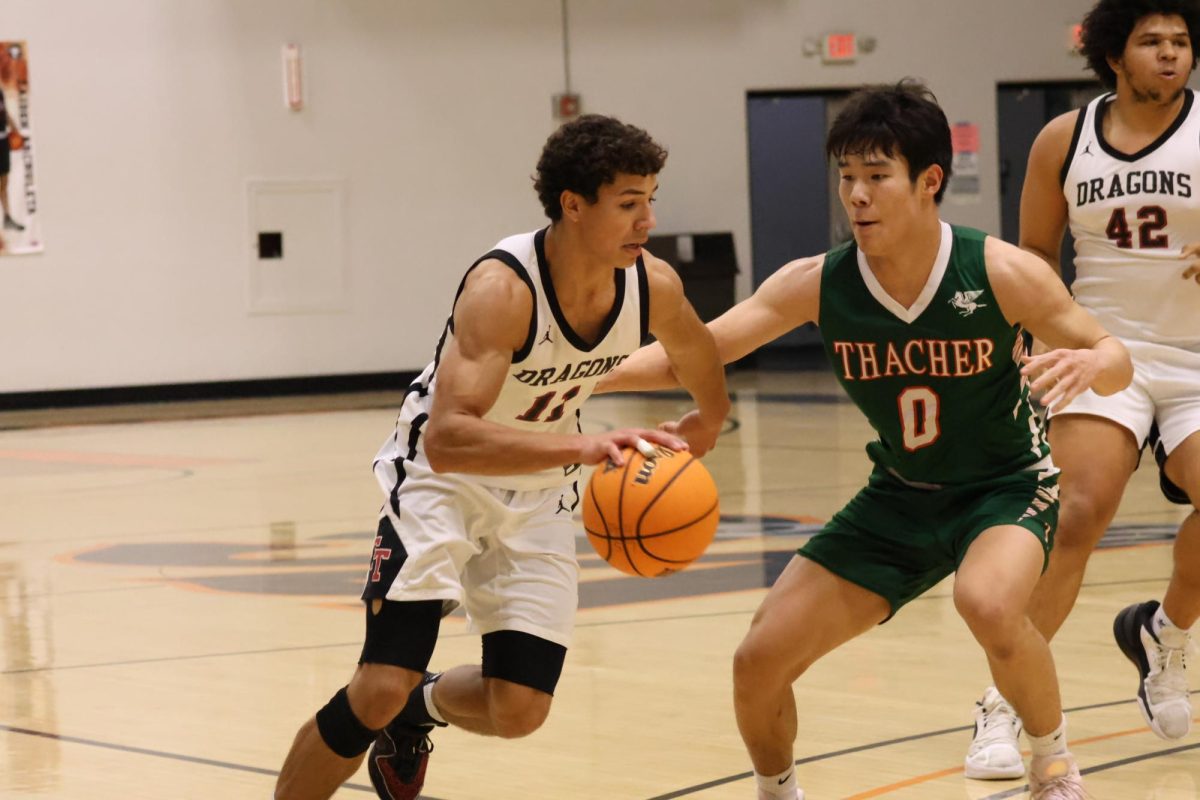
“I value how Alysa Liu prioritizes her mental health … [she’s] not just going through the actions of the day, like most of us do. She takes time and enjoys the moment,” Gracie Steves ‘28, an indoor volleyball player for Foothill Technology High School, said.
For Steves, Liu represents a version of athletic success that prioritizes balance as much as performance. Steves said the pressure to stay structured and constantly improve can make it difficult to enjoy her sport, and sometimes even life outside of it.
“I’m even working through [my mental health] right now,” Steves said. “I used to be very structured and not give myself a lot of room to do other things … I would be so mentally exhausted that I wouldn’t be able to enjoy the things life has already given me,” she said.
Beyond exhaustion and burnout, Liu’s story has also resonated with young women due to the control she reclaimed in her skating career.
“Her message about just wanting to take a step back and not let anyone force her into doing anything and [make] her own decisions now [is] really powerful,” Ella Miller ‘27 said.
The value Miller finds in Liu’s story comes from the power in the autonomy Liu has claimed for herself. Miller said she has constantly had to make intentional choices about how intense and competitive she wants her sport to be.
“I’ve played softball since I was five, and I did All Stars when I was little, but I didn’t do any travel ball or anything, ’cause that wasn’t something that I wanted to do,” Miller said.
“I didn’t want it to take over my entire life … I know a lot of people [who] had it consume their entire life, but I was lucky because my parents never forced me into doing what I didn’t want,” she said.
Even still, she said that pressures surrounding her sport have manifested a number of times negatively throughout her life.
“There definitely have been times with certain coaches where it just consumed me before … But I think hearing [Liu] saying that she has nothing to lose, and she can only gain from her experiences, has been really interesting to put into perspective of my sport,” she said.
“Especially in women’s sports, I feel like we’re oftentimes told that we can’t do certain things, we can’t eat certain things, we can’t be loud … But I think [Liu] is really powerful in the fact that she’s really confident in herself,” Miller said.
Even without Olympic pressure, young female athletes still find it incredibly difficult to find balance in sports. The difference, as Miller and Steves said, is how they choose to respond to that pressure.
When Liu returned to the Olympics in 2026, she did so not to prove her strength or her skill, but to display art that she felt ownership over. The freedom to compete without losing herself was the only win Liu needed, and that message has spread far beyond her now, into the minds of young female athletes across the U.S.









CinaRuge • Mar 7, 2026 at 7:10 pm
Katelyn Newman, I love your story! ❤
Thank you for sharing this w/ us.
I have always loved ice skating from a young age and my idol was Aylsa Lui, now I am much older and I still love ice skating. It has become a second hobby! Thank you so much! Katelyn!
CinaRuge • Mar 7, 2026 at 3:14 pm
Thank you, seriously, Katelyn Newman! Alysa Lui shaped my life. From a young age, I have always loved ice skating. And when I first heard about Alysa Lui, my heart exploded…. I had found my idol. She did ice skating … for fun. I was surprised. It was basically a hobby.. and she wasn’t doing it under pressure because she knew how to do it. Thank you so much Katelyn! ❤ This story means so much! You have to make more stories like this, Katelyn!
KatyHill • Mar 7, 2026 at 3:13 pm
Hi there, CinaRuge! I love your comment. And I love ice skating too!