From science to art, the pathways and programs at Foothill Technology High School (Foothill Tech) show that there is a place for all interests. Both underclassmen and upperclassmen alike are able to join these programs and grow their passions in an educational environment, though many don’t know about the students leading everyone behind the scenes. Student leadership at Foothill Tech thrives throughout the school and is a large part of the structure and culture of the pathways and their growth opportunities.
ASB
The Associative Student Body (ASB) is responsible for representing the student body as well as planning a majority of schoolwide events. Examples being Club Rush, Air Guitar and Renaissance Rallies.
Current ASB president, Santanah Schnizler ‘27, stepped into the role due to his passion for student involvement, “I’m very passionate about the student body, ” Schnizler said. “I deeply enjoy planning our events and activities, helping our ASB students, planning Club Rush, Air Guitar and our rallies. I think Foothill needs a strong representative to the VUSD school board as well.”
Throughout his leadership experience, Schnizler has gained multiple skills that will help him in his future career. “As someone deeply passionate about civic engagements, politics and government, the position provides high-quality skills like time management, public speaking and oversight of events and initiatives,” he said.
Bioscience Academy
The Bioscience Academy is a specialized Career Technical Education (CTE) pathway focused on helping students develop their skills and knowledge in the medical and clinical fields. A three-year program, Bioscience offers classes in medical technology, microbiology and biotechnology for students to learn daily while also being able to participate in other career opportunities.

Bioscience houses leadership opportunities through HOSA-Future Health Professionals (HOSA), an organization that provides leadership programs for students who are interested in science and technology or want to pursue a career in the medical field. While each Bioscience cohort has its own designated presidents, Saanvi Joshi ‘26 and Finn Alleman ‘26 are the current HOSA senior class presidents, taking on their own responsibilities and duties.
“Our main duty is overseeing all the other committees in HOSA […] Additionally, we helped a lot with recruitment, such as presenting to incoming freshmen, incoming students who want to join the program,” Alleman said.
With the leadership experiences both co-presidents have encountered in their years in Bioscience, both Joshi and Alleman are prepared to take what they’ve learned into their future as they prepare to graduate and move on.
“The triage drills that we do as well as learning all of our first aid skills […] as well as learning science from the molecular side […] and getting to shadow physical therapy and orthopedic surgery helped me realize that this is what I want to do in my future,” Joshi said.
DTech
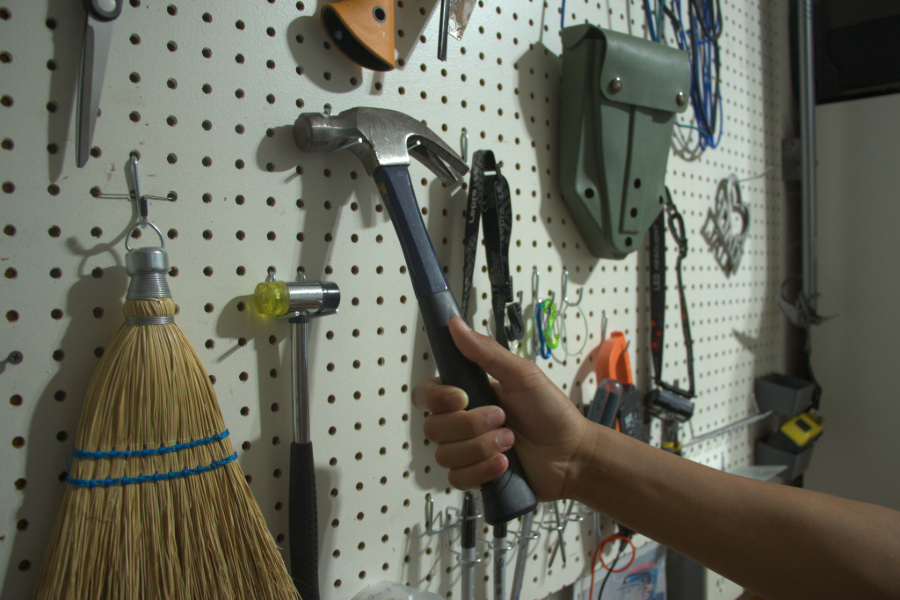
Operating as an innovation-based program, the DTech Academy is a student-run business program, focusing on teaching students the art of entrepreneurship and design. A two-year CTE pathway, DTech program is led by the students who are in charge of their own small businesses and making their own products to be sold in different stores throughout Ventura.
Alex Ramirez ‘26 and Noah Randolph ‘26 work in the DTech shop as DTech Interns who lead and manage different projects and teams within the academy. Though as the seniors in the program, they take the responsibility to help teach and coach the up-and-coming workers in the shop, alongside working with the businesses around Ventura.
“A big responsibility is taking care of the shop for other people to use it, and obviously generate money for the program. Also, as a senior, it’s just kind of like passing on the knowledge, and that mindset that perfection is not the expectation,” Ramirez said.
“I think DTech as a program can be split into two different sides: You have the fun side, which is learning all the machines and becoming a master in whatever process you want […] but the second part is the fact that it’s run as a business. So you’re learning how to communicate with your year, your group […] learning how to talk business,” Randolph said.
AVID
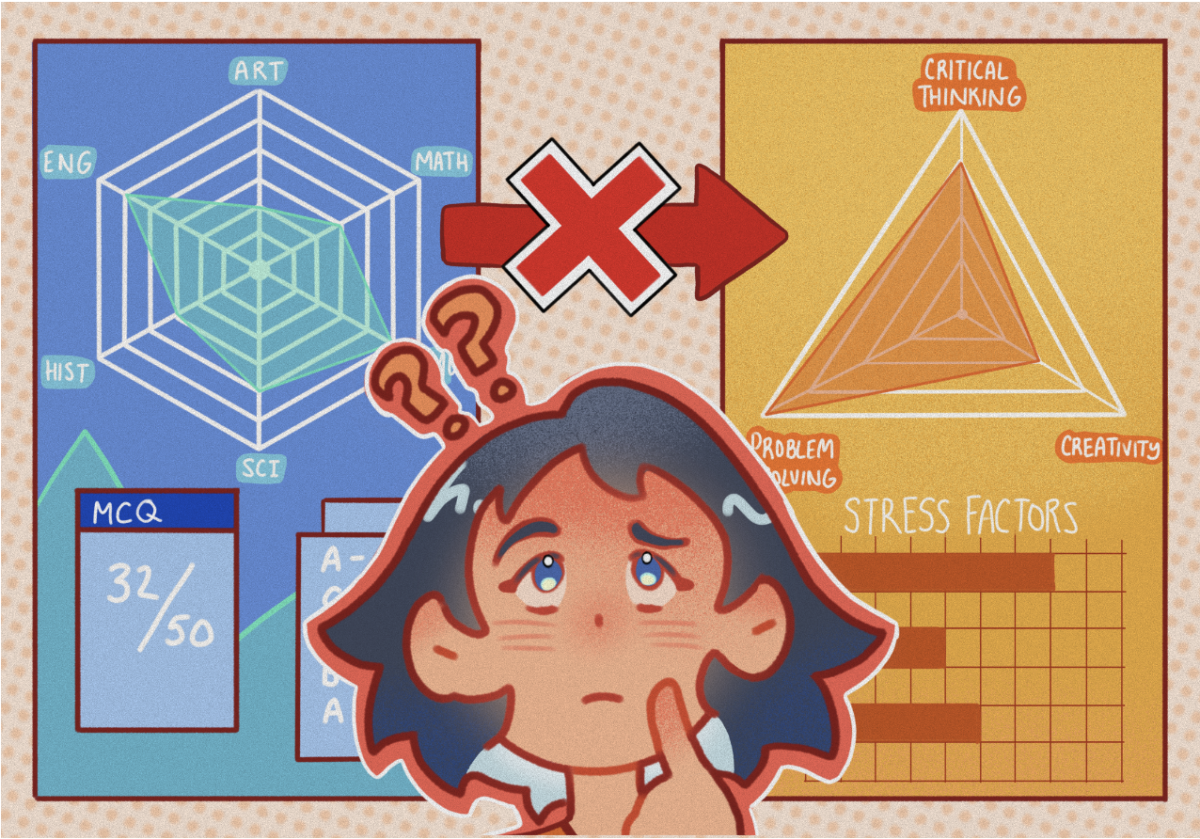
The Academic Via Individual Determination (AVID) is a college readiness program made to support students in their preparation for higher education through academic skills and easy access to college resources. Students join AVID to establish a stronger academic foundation for their future, utilizing the program to support them in the college application and preparation process.
Angel Sanchez ‘26, current AVID president, has been actively contributing to the program since middle school. Sanchez decided to join AVID due to the early exposure to college preparation and the resources the program offers to help students succeed academically, as well as plan their lives after high school.
“As AVID president, I basically just go to our biweekly meetings and make sure we talk about the things we need to talk about, like our bonding days,” Sanchez said. “I’m also involved in organizing senior nights for AVID students, as well as helping with fundraisers and prompting them.”
Through his leadership experience, Sanchez has gained skills that he plans to carry on in the future. “I think being more organized and being part of it, talking to people and reaching out to businesses for donations, is something I’ll definitely take with me,” Sanchez said. “That experience has helped me feel more prepared for what’s next”.
Yearbook
The Yearbook program offered at Foothill Tech allows students to document school events, culture and athletics through photography and writing. Developing strong organizational and leadership skills. Working collaboratively to create a final book that ultimately reflects the school year.

Caroline Van der Kooij ‘26 and Jaelisa Lozano-Rivera, present Editors-in-Chief (EICs) of Foothill Tech’s yearbook, joined the program with the overall goal of making a positive change. Both students wanted to become involved after dissatisfaction with the yearbook in previous years, and wanted to help improve it. “I didn’t really like the yearbook the year before I joined,” Lozano-Rivera said. “I wanted to be a part of the change for a better yearbook.”
The responsibilities of Editors-in-Chief, Van der Kooij and Lozano-Rivera, oversee the whole production of the book, including staff meeting their deadlines, managing game schedules and photo coverage.
“A lot of it is keeping up with every single spread and making sure everyone follows through with their responsibilities,” Lozano-Rivera said. “Recently, we had our biggest deadline of the year, which meant late nights of editing and going through the book with a fine-tooth comb to make sure it’s something people want.”
Through their roles as leaders, both have earned skills that will help them be successful in their future careers. “The scheduling aspect has really helped me learn to stay on top of things,” Van der Kooij said, “Working with different people and different work mentalities is something that will definitely help in a workplace setting.” Reflecting on their experience, both emphasized the value of the pathway. “It’s a great class,” they said. “Join it.”
Journalism
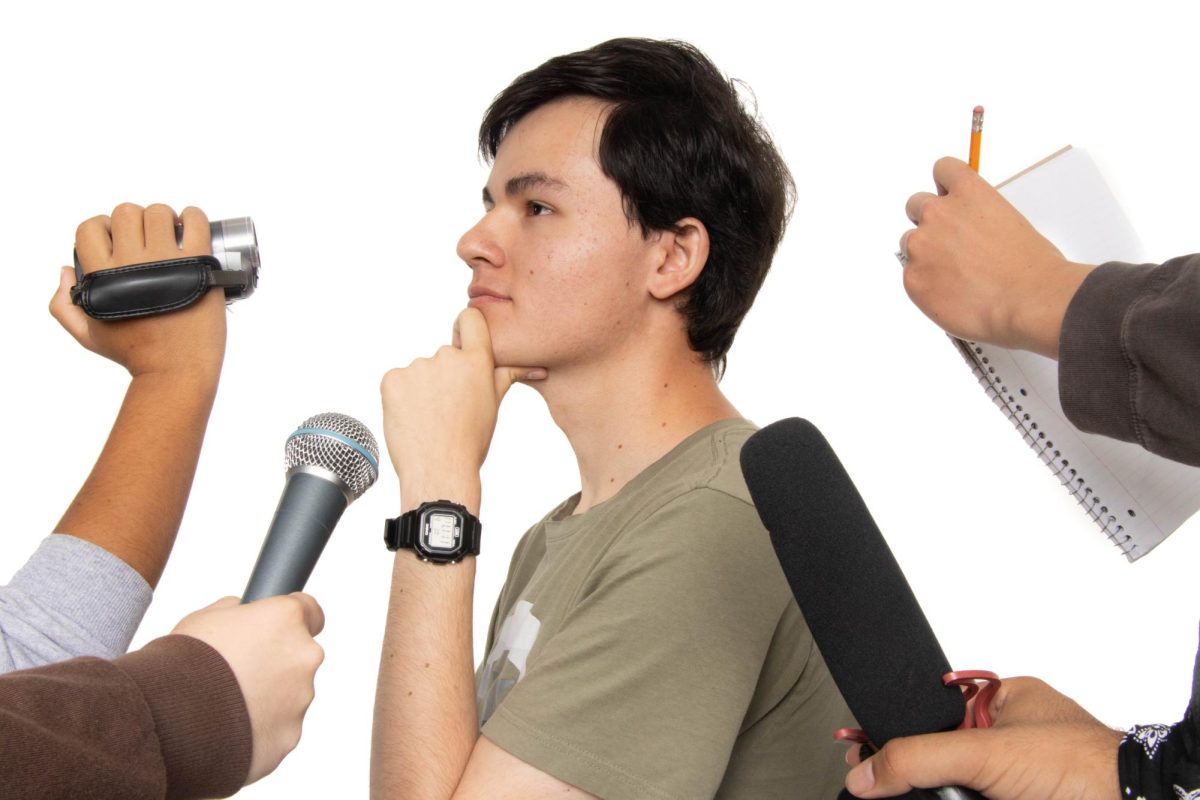
Journalism is a student-run publication that allows students to use different skills, such as writing, photography, art, and videography, to produce articles that inform others about events that happen around school and in their community. Journalism has leadership within its class, with section editors for each section, Co-Editors-in-Chief, who all work together to provide people with the best articles possible.
The Co Editors-in-Chief are Fiona Aulenta ‘26 and Jane Kim ‘26, who take on many responsibilities and duties in their respective positions on a day-to-day basis.
“I’d say a typical day-to-day is checking the back end of our website and being able to publish articles and compiling the multimedia into the articles to make them look very pleasing to the eye,” Aulenta said.
Journalism provides students with many different learning and adaptation opportunities that can correspond with real-world situations. Skills like leadership, time management, accountability and learning to work and communicate with others.
“I think you learn a lot of leadership skills here, as well as time management, and managing a large group of people,” Kim said.
Wellness Peers
The wellness center is an area for students to have a safe space to be when they are struggling with situations such as mental health and the pressure of school. While the leadership aspect of it is not as popular, it’s still an important part of the school’s community. With events like Wellness Wednesdays, students are able to be connected with others and learn more about the wellness center and the resources on campus.
Leaders like wellness peers do many things to help the school community. Wellness peers help plan wellness events and attend conferences to learn new skills. Being a wellness peer can also teach students how to deal with mental health issues for themselves and others. Wellness peer Audrey Szijj ‘26 is one of the students who has received help from the Wellness center, and someone who helps plan these events.
“I host a lot of our events, like wellness Wednesdays, and I just do some planning and programming for our center,” Szijj said.
“I think I’ve learned a lot of self-regulation skills from being a wellness peer, and I’ve also learned how to deal with a mental health crisis for myself and for other people,” Szijj said.