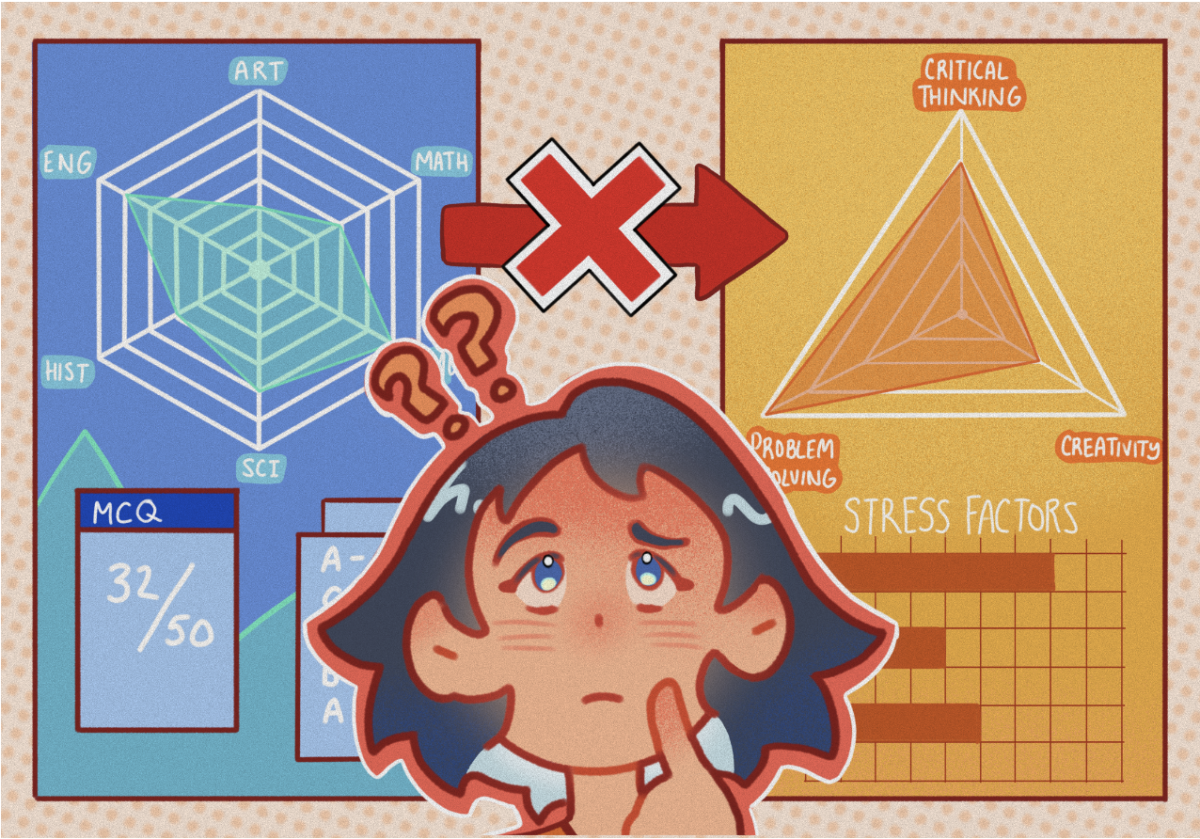
In today’s climate, stress inducers for teens come from every which way. It seems that all the mounting piles of schoolwork, sleepless nights and the pressures to fit in don’t leave a moment’s rest.
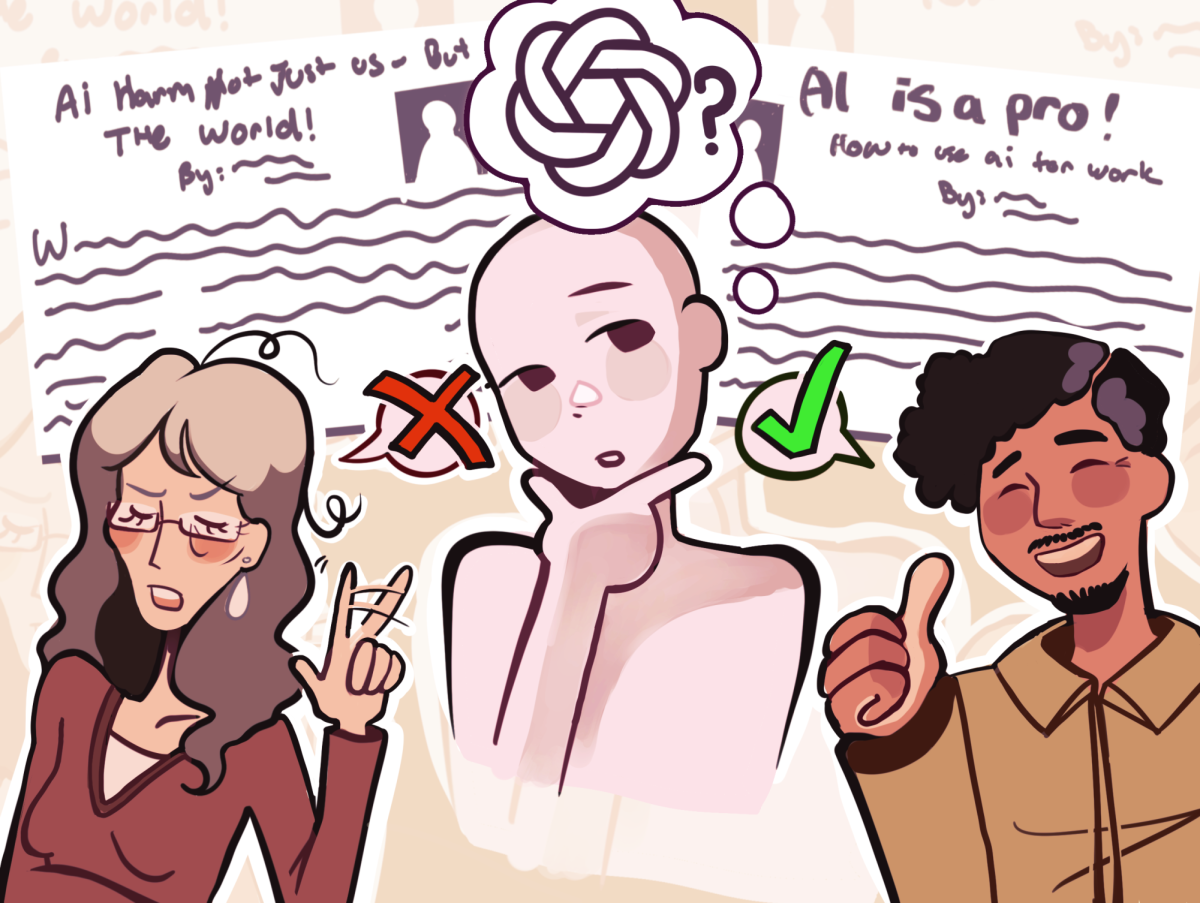
However, while students still need to carve out time to cope with stress, in a world full of opportunists who use these new modern-day stressors to make a profit, it’s hard to know what actually will work and what is there to make a quick buck.
The most common stressor among the student body at Foothill Technology High School (Foothill Tech) is academics. Juana Vega, the student counselor at Foothill Tech, commented, “One of the worries I hear the most is about grades. That’s the big one. Grades and also getting into college, especially with our current seniors, right around application season.”

“I know tests are a big thing, and also the amount of homework plus extracurricular activities that some kids may have will also build some sort of stress,” Jacob Bento ‘28, a student at Foothill Tech, said.
National data reflects what many students experience daily. According to the American Psychological Association’s 2017 Stress in America survey, teenagers reported an average stress level of 5.8 on a 10-point scale, higher than the average reported by adults. Academics were identified as the leading source of stress, with 83 percent of teens citing it as a significant factor. The survey also found that stress affects key aspects of teen health, including sleep and eating habits, with nearly half of teens reporting stress-related sleep problems.
Despite these elevated stress levels, many teens reported feeling that their stress was typical or unavoidable. This normalization of stress can leave students to turn to quick-fix solutions, creating an opening for products and platforms that promise relief without addressing the root concerns of teen stress.
Many products today are marketed to help with mental well-being by presenting themselves as stress reducers. How most of these products work is by targeting the body’s parasympathetic nervous system, which, according tothe Cleveland Clinic, “is a network of nerves that relaxes your body after periods of stress or danger”. There are many different ways to activate your body’s natural relaxation response. Some of which are sensory products such as smells, while others include meditation, touch and sleep.
Many seeking profit have created products aimed at helping with stress management. These products are made to help “fix” stress-related issues, rather than target the stress response to get a reaction. And with the widespread bounty that is today’s everyday stressful environment, businesses abuse the opportunity to exploit money out of customers.
Yes, some products that target stress-related issues can help, but they use aggressive and persistent marketing to drive sales. Businesses also take advantage of the feelings of buyers. By using words like “calm” or “relax,” it can appeal to feelings rather than facts, while social media algorithms push controversial or stressful content forward to increase engagement by purposely triggering stress within audiences.
The Wellness Center at Foothill Tech offers students free, on-campus resources for managing stress and promoting mental health. Becca Wulff, the school’s wellness program counselor, stated that the center has helped shift how mental health is viewed on campus.
“What I have noticed on Foothill Tech’s campus is that we have made an impact on destigmatizing and building awareness of mental health,” Wulff said.

Vega additionally noted that stigma can still prevent students from seeking help. “I have seen a lot of students who are kind of suffering in silence,” Vega said. “They choose to, or they think there’s such a stigma with mental health at times. I feel like they don’t reach out, so I really do hope that students find their person here on campus.”
By offering support without cost or commercial pressure, the Wellness Center provides students with an alternative to profit-driven approaches to stress relief.
While stress may feel unavoidable, how students respond to it matters. Building healthy habits, such as maintaining a consistent sleep schedule, finding time for movement and setting social media boundaries, can make an impactful difference. Constant exposure to curated, productivity-driven content can intensify feelings of pressure and unworthiness, making it harder to truly unwind. Taking intentional breaks from social media allows students to be more present and reconnect with activities that relieve stress rather than monetize it. In a toxic culture that profits from teen anxiety, prioritizing personal well-being and seeking out supportive spaces like the Wellness Center can help students regain control over their stress and how they cope.