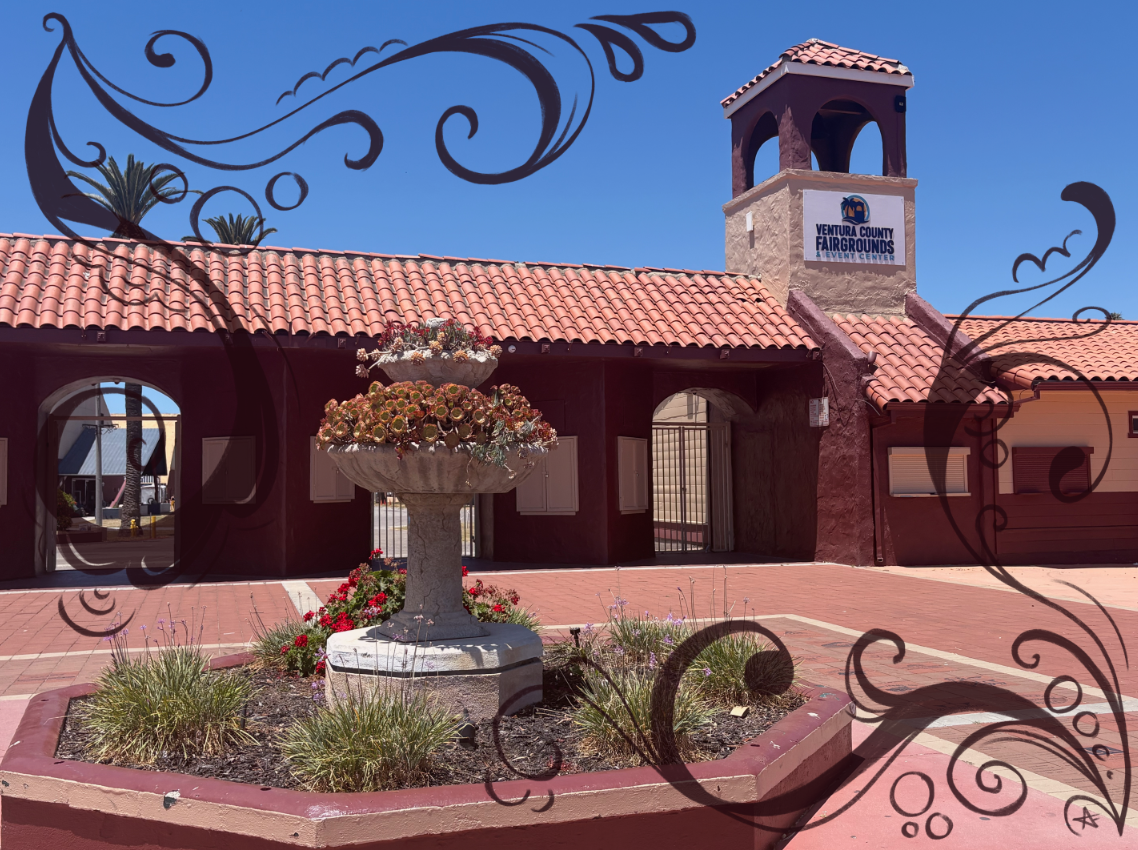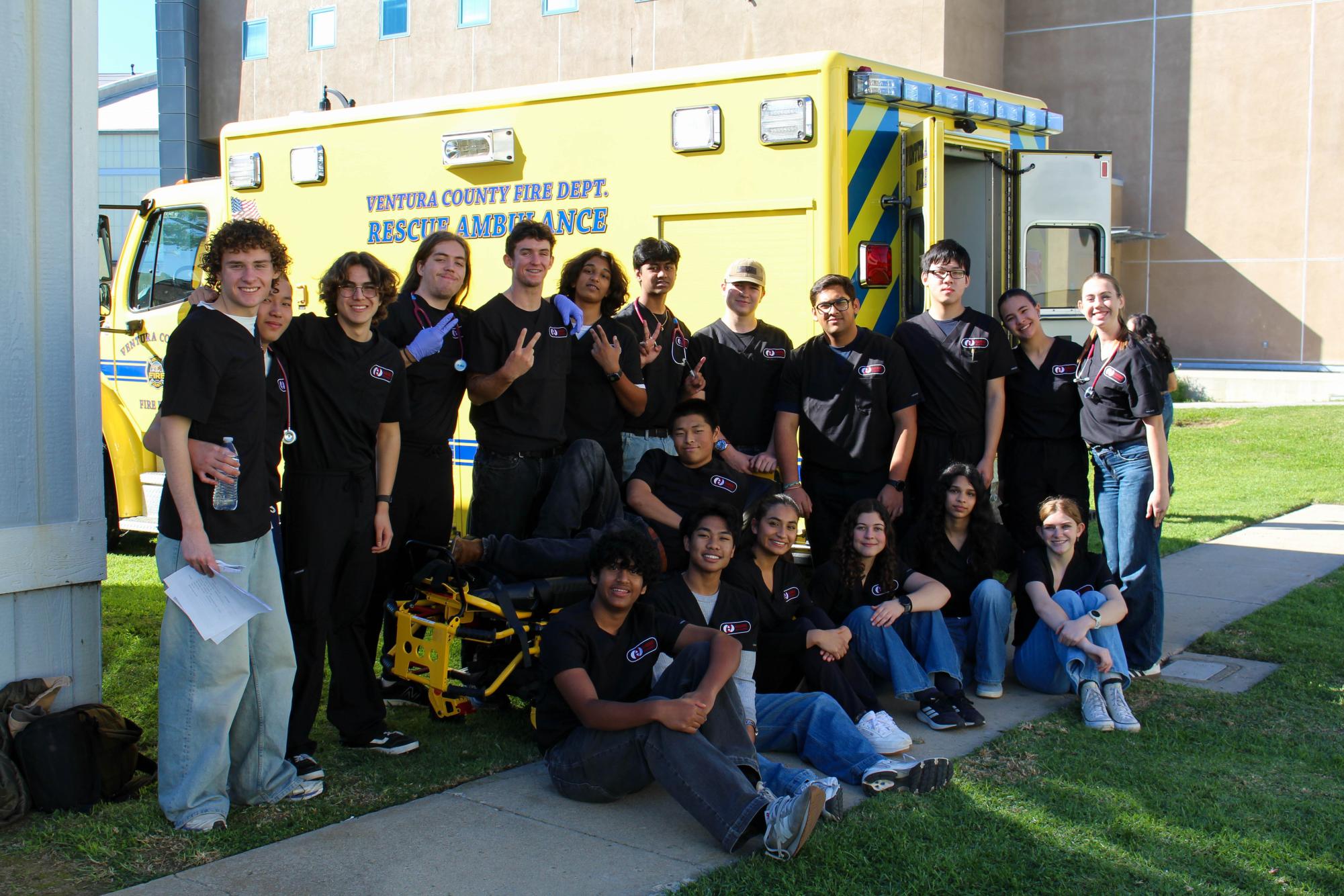

On Dec. 4 and 5, paramedic students participated in grueling real-life scenarios in and outside the Health Sciences building at Ventura College (VC). The Ventura County Fire Department (VCFD), experienced paramedics, student paramedics and Foothill Technology (Foothill Tech) Bioscience students all participated in the event, gaining new perspectives and learning about what it takes to be a first responder.
“For us, Ventura County Fire Department, our role here is to support the Ventura College program. So we brought in two of our rescue ambulances, two of our firefighter paramedics, experts in providing pre-hospital care, to help support the program, to provide mentorship, provide feedback, and help teach students here things that can be helpful in their careers”, Andrew Dowd, the Public Information Officer of the VCFD, said.
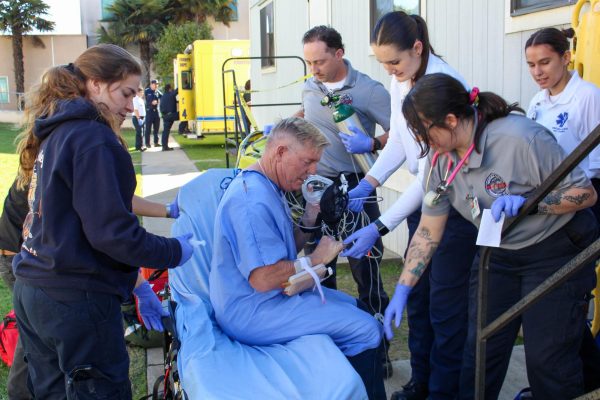
Throughout the two days, groups of three to four paramedic students were all able to experience 12 different simulated scenarios, ranging from supposedly simple chest tightness to full-on trauma-intense situations of gunshot wounds. These groups of students are graded in this as a final; however, there is no failing grade in this drill. The primary purpose of this annual test is to prepare paramedics by translating all that they have learned from the textbook into a real-life, emotionally charged, and stressful scenario.
“I think the biggest [things I learned] was on one of the calls we had for a pediatric cardiac arrest, for a drowning, was just not letting my own volume exceed the kind of chaos of the call. So, not allowing myself essentially to add to that chaos, which I think through frustration of wanting things to happen that were not happening, my own emotions were impacted,” Aiden, a paramedic student at VC, said.
These 12 drills the paramedic students participate in are not for the faint of heart, consisting of fake blood, a number of different sounds, yelling and realistic mannequins or even actors. The paramedics must remember medication dosages, take the lead in their scenarios, make sure they’re executing their procedures correctly and after all that, come up with a sound diagnosis before reaching the hospital.
“There’s about 500 hours of classroom time to get to today. Lots of learning, lots of practice, lots of repetition of items, and now [the paramedic students are] getting to put those pieces together for that first time, and [they] can see where [they] have failure points, and [they] need to shore those up so [they] can move forward, and then deliver that stellar care,” Tom O’Connor, the VC paramedic program teacher and advisor, said.
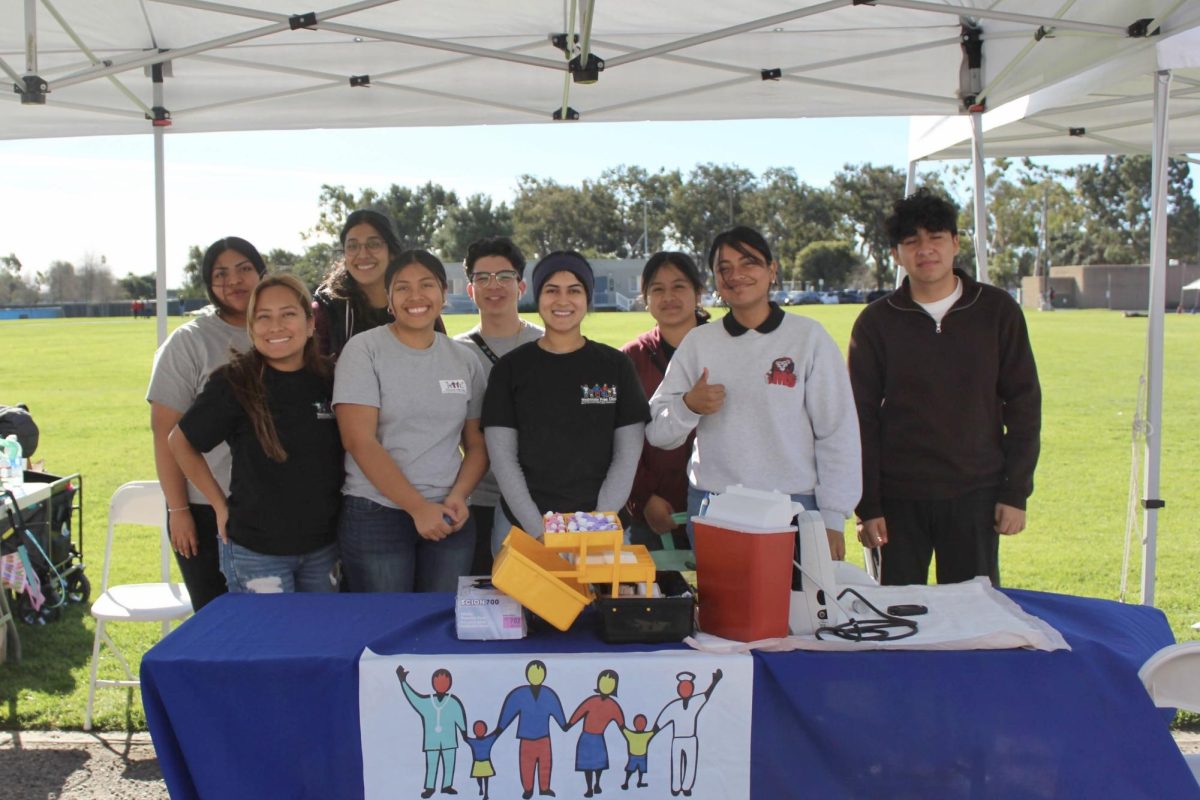
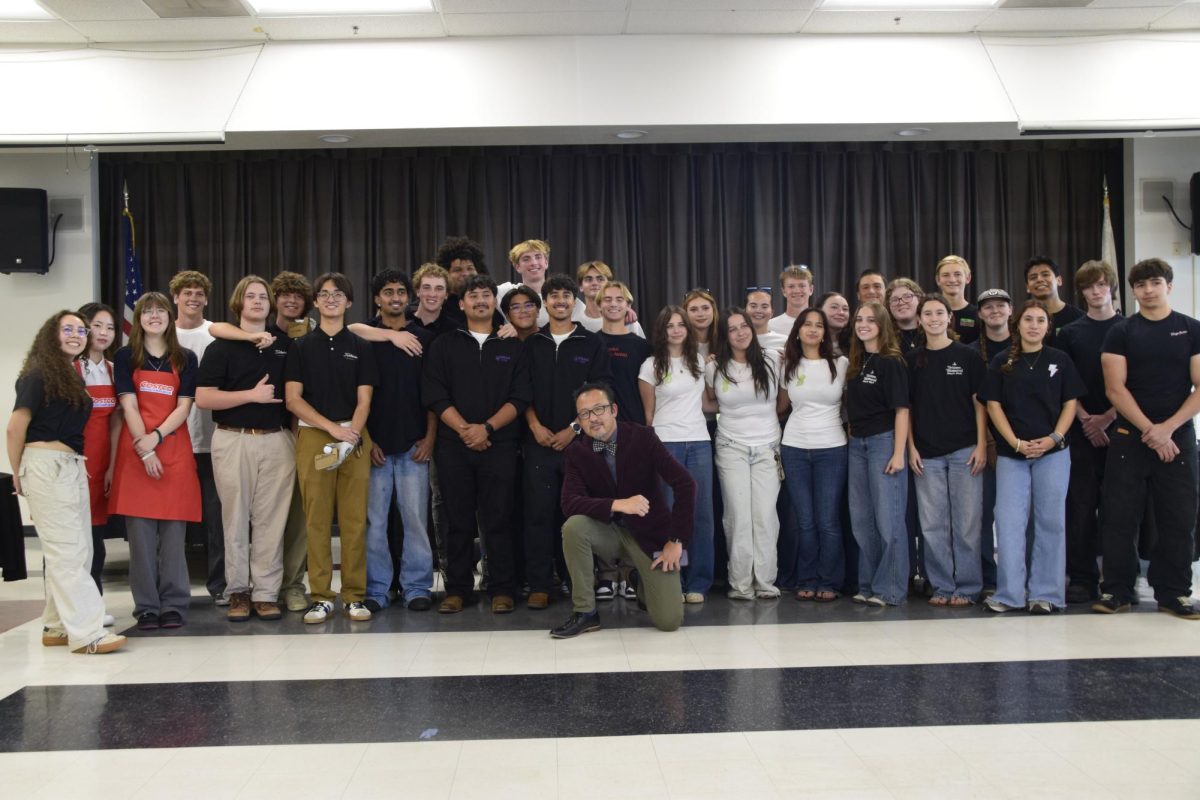
The EMTs, who are part of their own program at VC, and the Foothill Tech Bioscience students acting as EMRs, who are allowed to participate in the event, come into these scenarios with a little less knowledge and stress, seeing as this isn’t their final. However, this difference of perspectives doesn’t mean the stress of these situations isn’t palpable.
“I would say just, because they hammer into us ABCs, airway breathing circulation, [throughout the EMT course], I’m just doing my best for the paramedics, so that when they get on scene, we can give them good information so that they can, you know, cut intervention time shorter. But, I mean, it’s just making me want to be a paramedic even more. I was kind of on the rails, on the fence, and I think I’m just gonna fully commit to it,” Nehemiah Lefee, an EMT student at VC, said.
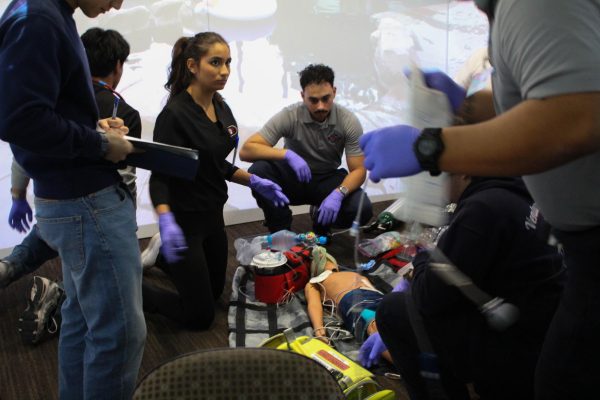
The EMRs have their own problems to deal with, taking the time to apply what they’ve learned in the Bioscience program, as well as keeping a distinct understanding of what is real and what is not. However, it’s the preparation of bioscience in learning packing wounds, CPR, using a BVM, and a lot more that gave the students a leg up in these scenarios instead of standing to the side. At times, the EMTs and EMRs would walk into the situation before the paramedics, assessing the situation, and throughout it, whilst the paramedics were there, they learned new concepts of all things medical.
“For us EMRs, [it’s] mostly about experience and fun. We ourselves are not being sent into these simulations and being tested on our performance, but we are expected to walk away with more knowledge and experience than what we entered with. While the scenarios are stressful and complicated, it was an incredible learning experience for us, and a way to get out of our comfort zones and have fun,” Harlon Denton, a second-year Bioscience student, said.
“None of us was born magically with the skills to be good at this. So our firefighter paramedics have spent years training and honing their skills. And the way I like to say it is everything that we are, we owe back. We go back to that next generation that also wants to follow in our footsteps. So it’s a great opportunity to coach, to mentor, to share experience, and hopefully shape perspectives, and really help build the next generation of first responders,” Dowd said.
After every scenario, each team debriefs, going through what went wrong and how they can make better decisions next time, with seasoned paramedics who oversee the scenarios. However, every call is different; there are constantly things to improve on, even when you’ve made it out into the field.
“I think, when I was not the lead in just doing skills for my partners, I think much more calm and relaxed, because that pressure was taken off of me. But then, having to lead, obviously, and having to manage the call, you’re having to balance multiple things at once. If I’m being delegated to do something, that’s my job. Whereas if I’m the one delegating, I have multiple jobs, and I’m using different people to complete that,” Aiden said.
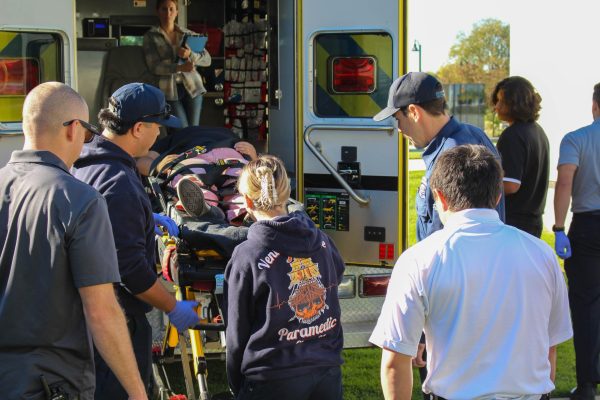
It can be a grueling and stressful process; however, the drive these students have in making a difference, in being a first responder, pushes them to take the time and do what no person wants to do: to help a person on probably one of the worst days of their life.
Firefighter paramedic with the VCFD, Jared Gray said, “I graduated from Ventura College myself and I think this is one of the better paramedic programs around, just because of the fact of how much they put into their students. With their hands-on experience and a lot of the people who graduate this program come back and give to the program itself. So, I think being a paramedic is one of the best jobs in the world. It’s very fun to me. I recommend it to anyone that wants to become a paramedic for sure.”